
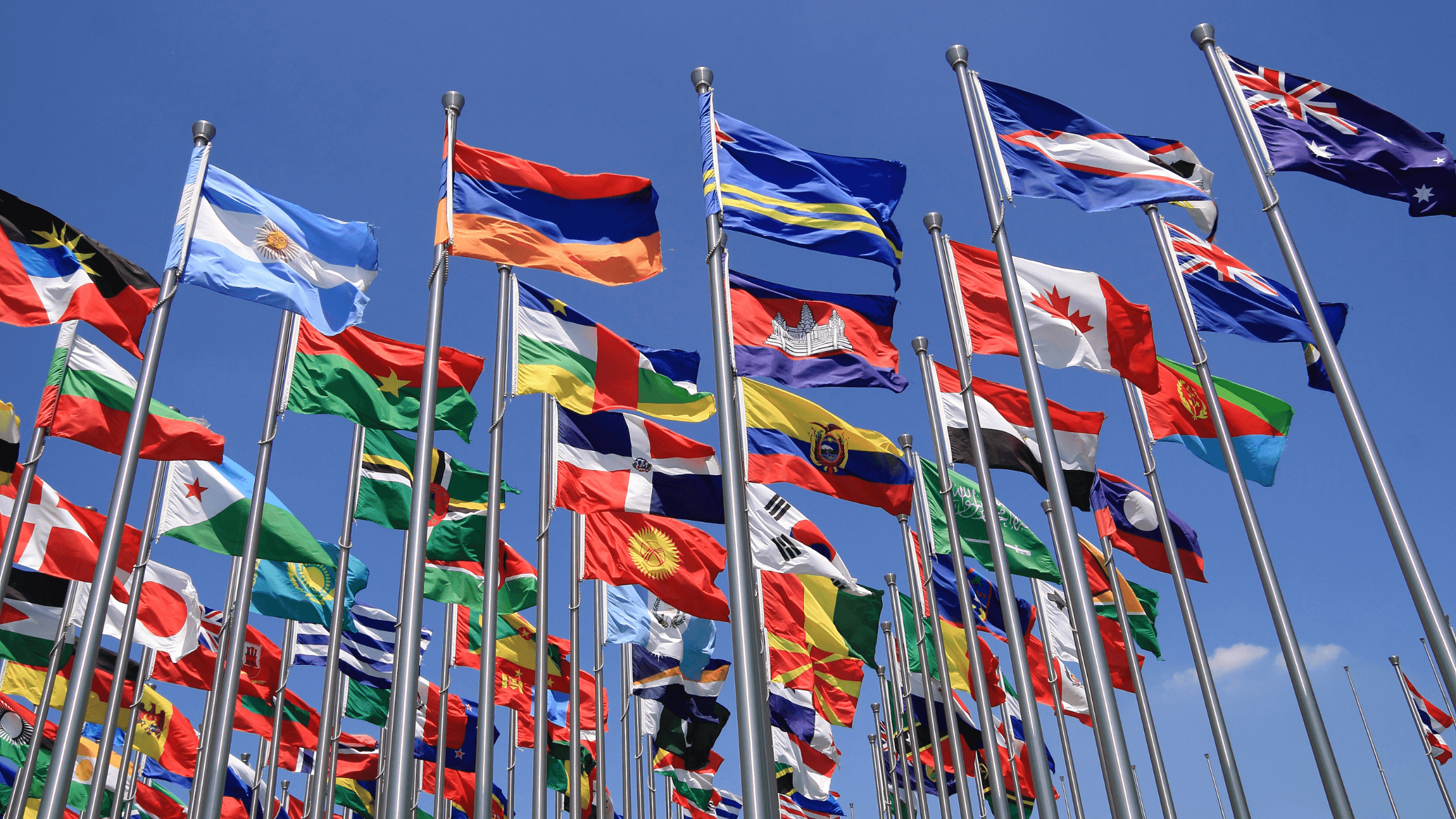
Bangladesh hosts numerous diplomatic missions, primarily concentrated in its capital, Dhaka. These embassies and high commissions play a crucial role in facilitating diplomatic relations, offering consular assistance, and providing various services to both their nationals residing in or visiting Bangladesh and to Bangladeshi citizens seeking visas or other documentation. For international travelers, being aware of their respective embassy’s location and services can be beneficial in case of emergencies or when consular support is required.
The United States Embassy in Dhaka serves as a vital point of contact for U.S. citizens in Bangladesh, providing services such as passport renewals, emergency assistance, and notarial services. It also processes visa applications for Bangladeshis seeking to travel to the United States for tourism, study, or work. Given the strong bilateral relations between the two nations, the embassy actively engages in various development and cultural exchange programs.
Similarly, the British High Commission in Dhaka offers extensive support to UK nationals, including emergency travel documents, legal guidance, and assistance during crises. For Bangladeshi citizens, it processes visa applications for travel to the United Kingdom. The UK and Bangladesh share historical ties, and the high commission continues to work on strengthening political, trade, and educational partnerships between the two countries.
The Indian High Commission in Bangladesh is one of the busiest diplomatic missions in Dhaka, reflecting the close cultural, historical, and economic ties between the two neighbors. It provides essential consular services to Indian nationals in Bangladesh and processes a large number of visa applications from Bangladeshis visiting India for medical treatment, tourism, education, or business purposes. Additionally, India and Bangladesh cooperate on various bilateral projects, including trade agreements and infrastructural developments, making the high commission a crucial entity in diplomatic affairs.
Another significant mission is the Canadian High Commission, which facilitates diplomatic and economic relations between Canada and Bangladesh. It provides consular support to Canadian citizens, including emergency services, passport assistance, and legal guidance. For Bangladeshis, the high commission processes visas and work permits, as Canada remains a popular destination for students and skilled workers from Bangladesh. The mission also promotes trade partnerships and development initiatives between the two nations.
In addition to these major embassies, several other countries, including Australia, Japan, China, Germany, and Malaysia, maintain diplomatic missions in Bangladesh. These embassies support their citizens and work to enhance diplomatic, trade, and cultural relations with Bangladesh. Given the increasing number of international collaborations and Bangladesh‘s growing importance in global trade and development, the role of these embassies continues to expand.
For travelers and expatriates in Bangladesh, it is highly advisable to keep the contact details of their respective embassies or high commissions readily available. In cases of lost passports, legal troubles, medical emergencies, or unforeseen crises, these diplomatic missions serve as crucial lifelines. Staying informed about their services can help ensure a safe and smooth experience while in Bangladesh.