
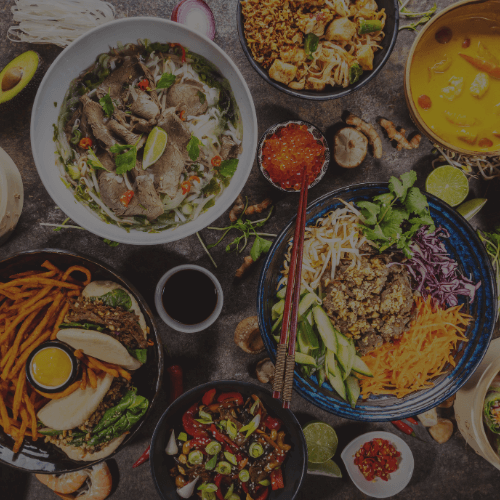
Bangladeshi cuisine is a rich and flavorful fusion of spices, herbs, and fresh ingredients that reflect the country’s diverse culinary traditions. Rooted in its agricultural abundance and cultural influences, the food of Bangladesh offers a delightful balance of taste, aroma, and texture. As a riverine nation, fish plays a vital role in the diet, with hilsa being the most prized variety, often cooked with mustard or enjoyed fried. Rice, the staple food, is served with an array of curries, vegetables, and lentils, creating meals that are both satisfying and nutritious.
Among the most beloved dishes in Bangladesh is biryani, a fragrant and spiced rice dish cooked with meat, yogurt, and saffron. This dish is particularly popular during special occasions and celebrations, with variations such as kacchi biryani, where marinated meat is slow-cooked with rice for a rich, layered flavor. Another traditional favorite is panta bhat, fermented rice soaked in water and typically eaten with fried hilsa fish, green chilies, and mustard oil. This dish is especially popular during Pahela Baishakh, the Bengali New Year, as a symbol of cultural heritage. Dal, or lentil soup, is another essential component of the Bangladeshi diet, often paired with rice and vegetable dishes to create a wholesome meal.
Street food plays a significant role in Bangladeshi cuisine, offering a variety of quick, flavorful snacks that are enjoyed by people of all ages. One of the most popular street foods is fuchka, also known as pani puri, which consists of crispy hollow shells filled with a spicy and tangy tamarind water mixture. Jhalmuri, a spicy puffed rice mix with mustard oil, chopped onions, green chilies, and peanuts, is another beloved snack that showcases the bold and fiery flavors characteristic of Bangladeshi food. Other street favorites include singara, a deep-fried pastry filled with spiced potatoes, and chotpoti, a savory dish made with chickpeas, tamarind sauce, and boiled eggs.
The use of spices is a defining feature of Bangladeshi cuisine, with ingredients like mustard seeds, turmeric, cumin, coriander, and chili powder forming the foundation of many dishes. Mustard oil is a common cooking medium, adding a distinct pungency and depth of flavor to various preparations. Desserts also hold a special place in Bangladeshi food culture, with sweets like roshogolla (syrupy cheese balls), chomchom, and mishti doi (sweetened yogurt) being widely enjoyed during festivals and family gatherings.
For visitors, exploring Bangladeshi cuisine is a rewarding experience that offers a true taste of the country’s rich cultural heritage. Whether indulging in a home-cooked meal, enjoying street food delights, or savoring a festive biryani, the flavors of Bangladesh leave a lasting impression. The diverse range of dishes, from everyday staples to celebratory feasts, highlights the country’s deep connection to food as an expression of tradition, hospitality, and joy.