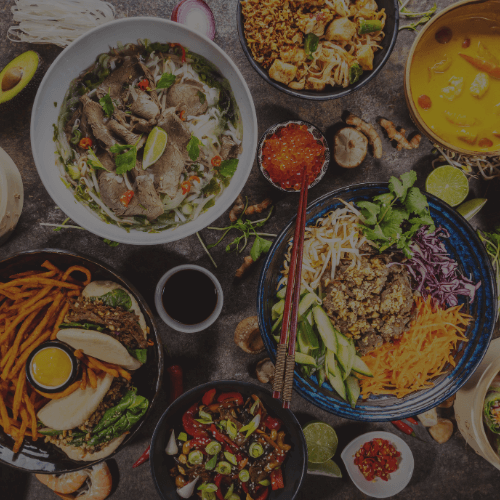
From steaming river fish curries served beside monsoon floodplains to sizzling street food beneath the lights of Dhaka, Bangladeshi cuisine reflects a culture shaped by water, migration, memory and the rhythms of everyday communal life. Cuisine in Bangladesh begins with the landscape itself. The country’s vast river delta, fertile farmland and tropical climate have shaped a food culture deeply connected to rice cultivation, freshwater fishing and seasonal agriculture. Rivers influence not only transportation and settlement patterns but also the flavours and ingredients found across Bangladeshi kitchens.
Meals here are rarely treated as hurried necessities alone; they function as social rituals tied to hospitality, family and cultural continuity. Rice forms the foundation of most meals and carries both practical and symbolic importance within Bangladeshi society. In villages and cities alike, meals often centre around freshly cooked rice accompanied by fish, lentils, vegetables and curries arranged together across the table. The abundance of rice cultivation across the Bengal delta allowed generations of communities to develop culinary traditions rooted in seasonal produce, freshwater fish and layered spice combinations rather than heavy reliance on wheat or bread.
Fish occupies an especially important place in Bangladeshi cuisine. The phrase “machh-bhat” — meaning fish and rice — is commonly used to describe the essence of Bengali food culture itself. Rivers, wetlands and coastal waters provide numerous varieties of fish that appear in homes, markets and restaurants throughout the country. Among them, hilsa holds extraordinary cultural significance.
Recognised as the national fish of Bangladesh, hilsa is prized for its rich flavour and delicate texture, particularly when prepared with mustard sauce and green chillies. Seasonal hilsa harvests often carry emotional importance linked to family traditions and regional identity. An important shift in understanding Bangladeshi cuisine comes from recognising its balance between subtlety and intensity. International perceptions sometimes reduce South Asian food to overwhelming spice, yet many Bangladeshi dishes focus equally on texture, aroma and the careful layering of flavours.
Mustard oil provides sharpness and depth, while turmeric, cumin, coriander, garlic and chilli are used with regional variation rather than uniform intensity. Fresh herbs, fried onions and slow cooking techniques frequently create complexity without overpowering the main ingredients. The cuisine also reflects centuries of historical interaction across Bengal. Mughal influence introduced richer dishes involving fragrant rice, kebabs and slow-cooked meat preparations, particularly visible in the famous biryanis of Dhaka.
The city’s kacchi biryani, cooked with marinated meat and aromatic rice, remains one of the country’s most celebrated dishes. Persian and Central Asian culinary influences blended with local Bengali ingredients over generations, creating food traditions unique to the region. Street food culture forms another essential layer of Bangladeshi culinary life. In Dhaka and other urban centres, pavements and markets fill with vendors preparing snacks surrounded by smoke, spice and constant movement.
Fuchka — crisp hollow shells filled with tamarind water, chickpeas and spices — remains one of the country’s most beloved street foods. Chotpoti, jilapi, kebabs and roasted nuts similarly shape the atmosphere of evening markets where people gather not only to eat but also to socialise after work and study. Sweets hold special importance within Bangladeshi hospitality and celebration. Milk-based desserts such as roshogolla, chomchom and mishti doi appear during festivals, weddings and family gatherings across the country.
Many sweets trace their origins to broader Bengali culinary traditions shared historically across the Bengal region. Tea also occupies a visible role in everyday social life. Small roadside tea stalls serve strong sweetened tea throughout the day, becoming informal meeting places where politics, cricket and neighbourhood news are discussed beneath corrugated roofs and drifting steam. Regional differences significantly shape Bangladeshi cuisine.
In Sylhet, dishes often incorporate citrus flavours and influences from nearby hill regions, while coastal areas rely more heavily on dried fish and seafood. Chattogram cuisine is known for richer spices and meat dishes, partly reflecting centuries of trade connections through the port city. Rural villages frequently maintain simpler seasonal cooking traditions closely linked to local harvest cycles and river conditions. Religion also influences culinary practices across Bangladesh.
As a Muslim-majority country, halal dietary customs shape much of the national food culture, particularly regarding meat preparation and festival meals during Eid celebrations. At the same time, Hindu, Buddhist and Indigenous communities contribute additional culinary diversity through vegetarian traditions, regional recipes and festival foods. Home cooking remains central to Bangladeshi food culture despite rapid urbanisation and modernisation. Family recipes are often passed between generations, with cooking strongly associated with domestic identity and hospitality.
Meals frequently involve collective eating where multiple dishes are shared communally rather than served individually. Guests are often encouraged repeatedly to eat more, reflecting cultural values surrounding generosity and care. Climate and seasonality continue influencing cuisine throughout the year. Monsoon rains affect fish availability, winter introduces seasonal vegetables and festivals often align with agricultural cycles.
Pitha, traditional rice cakes and sweets prepared during winter months, carry strong nostalgic associations tied to family gatherings and rural traditions. Food in Bangladesh is closely connected to time, weather and seasonal memory rather than functioning as static culinary routine. Modern Bangladesh increasingly blends traditional cuisine with international influence. Fast food chains, cafés and fusion restaurants have expanded in urban centres, particularly among younger generations.
Yet traditional Bengali meals remain deeply embedded within daily life, and even modern restaurants frequently reinterpret classic dishes rather than replacing them entirely. For visitors, Bangladeshi cuisine often reveals itself through sensory immersion. The scent of mustard oil in busy kitchens, the crackling sound of frying snacks beside crowded roads and the sight of fish markets before sunrise all form part of the culinary atmosphere. Meals are frequently intertwined with conversation, hospitality and social rhythm rather than separated into purely commercial dining experiences.
One of the country’s most distinctive culinary qualities is the emotional importance attached to food and memory. Particular dishes are strongly associated with regions, festivals and family traditions. Recipes often carry stories of migration, seasonal hardship and cultural continuity that extend far beyond ingredients alone. Ultimately, Bangladeshi cuisine reflects the geography and history of the Bengal delta itself — rich in river harvests, shaped by trade and migration, and grounded in communal traditions that continue linking food with identity, hospitality and everyday resilience.
Commonwealth Gateway Closing Perspective Bangladesh demonstrates how cuisine can preserve the memory of landscape, migration and cultural identity across generations. From hilsa curries and Dhaka biryani to roadside tea stalls and winter pitha festivals, food remains deeply connected to river life, family tradition and social gathering throughout the country. Understanding Bangladeshi cuisine means recognising not only its flavours but also the historical and emotional worlds carried within each shared meal.
For more information, take a look at these local third-party websites: