
Bangladesh‘s culture is a vibrant tapestry woven from its rich history, diverse ethnic groups, and deep-rooted traditions. As a land that has witnessed the rise and fall of numerous civilizations, Bangladesh bears the imprints of powerful empires such as the Maurya, Gupta, and Pala dynasties. Each of these historical periods has left a lasting impact on the country’s art, literature, and way of life. However, one of the most defining moments in Bangladesh‘s history was the Liberation War of 1971, which resulted in its independence from Pakistan. This war is not only a symbol of the country’s resilience but also a cornerstone of its national identity, influencing its modern cultural and political landscape.
At the heart of Bangladesh‘s cultural identity is its people, predominantly Bengalis, who are known for their rich literary and artistic heritage. Bengali literature has flourished for centuries, with celebrated poets and writers like Rabindranath Tagore and Kazi Nazrul Islam leaving an indelible mark on the literary world. The Bangla language itself is a crucial aspect of national pride, with the International Mother Language Day, observed on February 21st, commemorating the sacrifices made for the recognition of Bangla as a state language. This deep appreciation for language and literature continues to inspire contemporary writers and artists in the country.
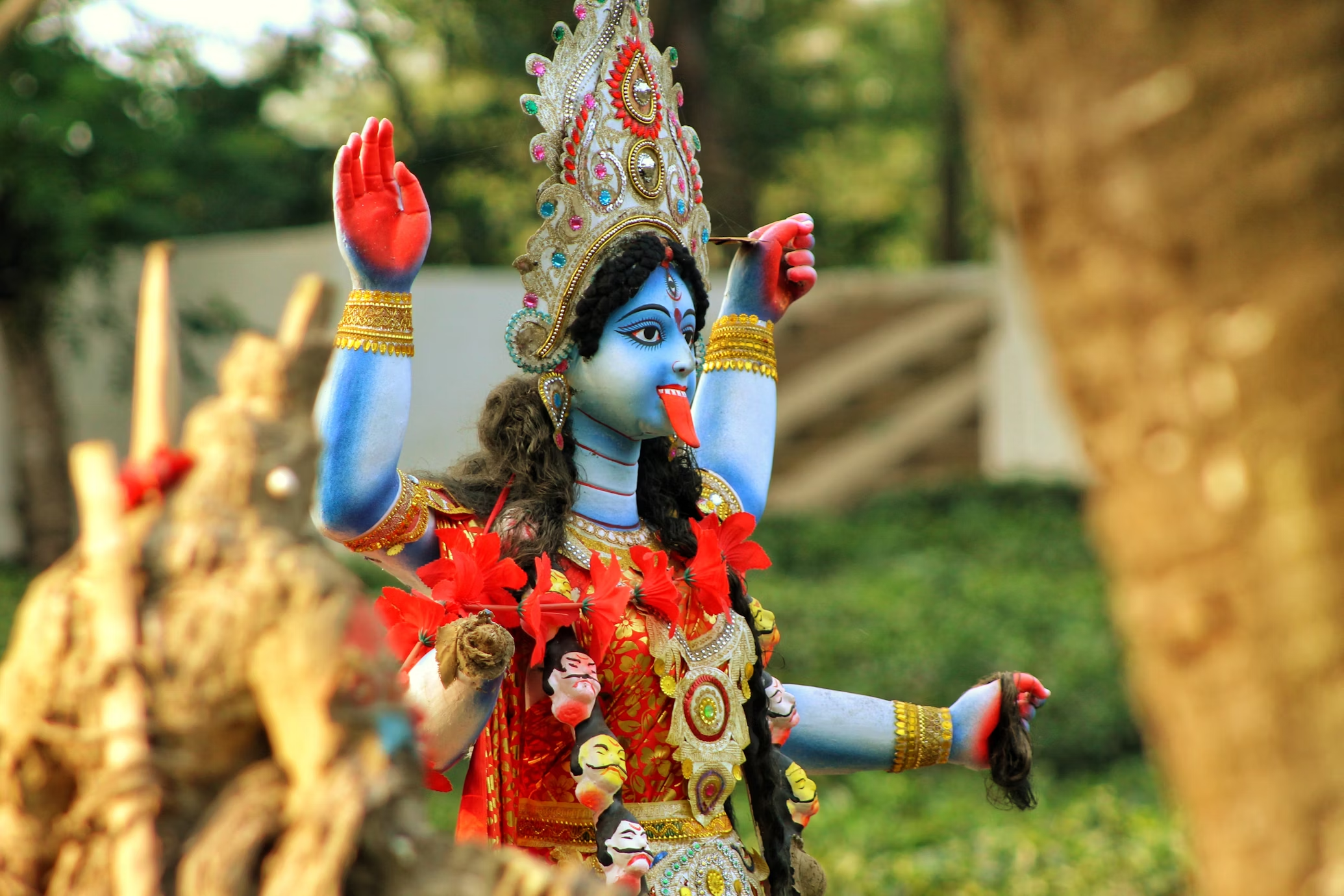
Festivals play an integral role in Bangladeshi life, uniting people from different backgrounds in joyful celebrations. One of the most significant cultural events is Pohela Boishakh, the Bengali New Year, which is marked by vibrant processions, traditional music, dance performances, and fairs across the country. The festival embodies the spirit of unity and renewal, drawing people from all walks of life to partake in the festivities. Religious celebrations are equally important, with Eid-ul-Fitr and Eid-ul-Adha observed by the Muslim majority, Durga Puja celebrated with grandeur by the Hindu community, and Christmas bringing joy to the Christian population. These events not only highlight Bangladesh‘s religious diversity but also promote harmony and mutual respect among its citizens.
The nation’s artistic expressions extend beyond literature and festivals to include music, dance, and visual arts. Traditional folk music, such as Baul and Bhatiali, remains a cherished form of storytelling, while classical dance forms like Kathak and Manipuri continue to thrive. The visual arts scene is equally dynamic, with contemporary artists drawing inspiration from both historical themes and modern societal issues. The National Museum and various art galleries in Dhaka serve as cultural hubs that showcase the country’s artistic evolution.
Bangladeshi cuisine is another essential aspect of its culture, characterized by its rich flavors and diverse ingredients. Rice and fish are staple foods, often accompanied by lentils, vegetables, and an array of spices. Traditional sweets like roshogolla and sandesh are popular treats enjoyed on special occasions and festivals. The culinary traditions of Bangladesh reflect its agricultural heritage and the influence of various regional flavors.
In essence, Bangladesh’s culture is a beautiful fusion of history, tradition, and modern influences. Its deep-rooted artistic expressions, literary achievements, festive celebrations, and culinary delights collectively form the identity of this vibrant nation. As Bangladesh continues to evolve, its cultural heritage remains a source of pride and unity for its people, preserving its essence for future generations.