
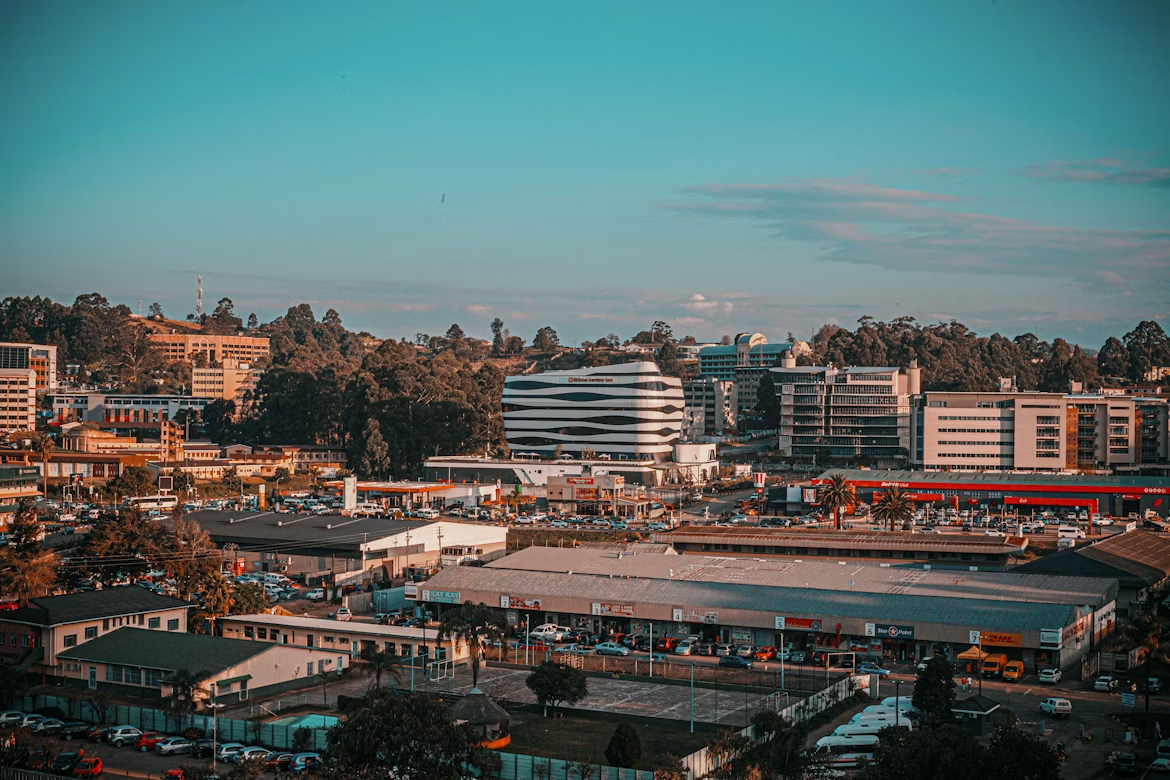
Across the islands of St Vincent and the Grenadines, weather conditions influence everything from inter-island travel and fishing activities to agriculture, tourism and daily community life. St Vincent and the Grenadines experiences a tropical climate characterised by warm temperatures, seasonal rainfall and consistent trade winds. The country’s geography, which includes the mountainous main island of Saint Vincent and the lower-lying Grenadine islands, creates noticeable variations in local weather conditions. While sunshine is common throughout much of the year, rainfall patterns and local microclimates contribute to a diverse environmental landscape across the archipelago.
Temperatures remain relatively stable year-round, generally ranging between 25°C and 31°C during the day. Coastal communities benefit from sea breezes that moderate tropical heat, while elevated areas on Saint Vincent often experience slightly cooler conditions. Seasonal changes are more closely linked to rainfall than temperature, making the distinction between dry and wet periods particularly important. The dry season typically extends from December to May and is often considered the most favourable period for tourism, sailing and outdoor recreation.
During these months, sunshine is abundant, humidity levels are generally lower and rainfall is less frequent. These conditions contribute to the popularity of the Grenadines among sailors, divers and beach visitors. The wetter season usually occurs from June to November and brings increased rainfall, particularly on the mountainous island of Saint Vincent. Rain showers are often short-lived but can be intense.
The Grenadines generally receive less rainfall than Saint Vincent due to their geography and lower elevations. This variation contributes to the contrasting landscapes found throughout the country. Weather forecasting is essential in a nation where communities are spread across multiple islands. Accurate forecasts support transportation services, marine activities, agriculture and disaster preparedness efforts.
Ferry operators, fishers, tourism providers and residents all rely on weather information to make informed decisions regarding travel and daily activities. Marine weather forecasts are especially important because of the country’s strong connection to the sea. Wind speeds, sea conditions and visibility forecasts influence sailing, boating and fishing activities throughout the archipelago. The Grenadines are internationally recognised for sailing, making reliable marine forecasting a critical component of tourism and maritime safety.
The Atlantic hurricane season officially runs from June to November. During this period, weather monitoring becomes particularly important as tropical systems can affect the Caribbean region. Forecasting agencies provide regular updates that help communities prepare for potential storms and minimise risks associated with severe weather events. The eruption of La Soufrière volcano in 2021 highlighted the importance of environmental monitoring and emergency communication systems.
While volcanic monitoring differs from traditional weather forecasting, both contribute to national preparedness and public safety. Modern forecasting and alert systems help authorities communicate important information quickly and effectively. Meteorological services utilise satellite data, climate monitoring stations and regional forecasting networks to produce weather updates. Cooperation with Caribbean and international meteorological organisations strengthens forecasting accuracy and supports broader climate resilience efforts.
These partnerships are particularly valuable for small island developing states facing environmental challenges. Climate change has increased interest in long-term weather and climate monitoring. Rising temperatures, changing rainfall patterns and sea-level rise present challenges that require ongoing observation and planning. Forecasting and climate data help inform decisions related to infrastructure, agriculture, water management and environmental protection.
One of the most distinctive aspects of weather in St Vincent and the Grenadines is the variation between islands. Saint Vincent’s mountainous interior receives significantly more rainfall than many of the Grenadines, creating lush forests and abundant freshwater resources. By contrast, islands such as Bequia, Canouan and Mustique often experience drier conditions and more consistent sunshine. These differences contribute to the environmental diversity that defines the nation.
Visitors are encouraged to monitor local forecasts, particularly when travelling between islands or participating in outdoor and marine activities. Weather conditions can influence ferry schedules, sailing excursions and hiking opportunities, making up-to-date information an important part of travel planning. Despite seasonal fluctuations, the country enjoys warm tropical conditions throughout the year. Reliable forecasting services help residents and visitors navigate changing weather while supporting the economic activities and lifestyles that depend upon a safe and predictable understanding of environmental conditions.
Commonwealth Gateway Closing Perspective Weather and forecasting play a vital role in St Vincent and the Grenadines, connecting communities across an island nation where the sea, climate and environment remain central to everyday life. Through improved forecasting systems and climate monitoring, the country continues to strengthen resilience while supporting tourism, transportation and sustainable development.
For more information, take a look at these local third-party websites: