
The experience of staying in Pakistan often reflects the country’s remarkable diversity, where modern city hotels, historic guesthouses and mountain lodges each offer a different perspective on the landscapes and communities that surround them. Accommodation in Pakistan has developed significantly over recent decades, providing options that cater to a broad range of travellers. Whether arriving for business in major cities, exploring historic cultural centres or venturing into the country’s northern mountain regions, visitors can find accommodation suited to different budgets, travel styles and expectations. The variety of lodging available mirrors Pakistan itself: diverse, dynamic and shaped by both tradition and modern development.
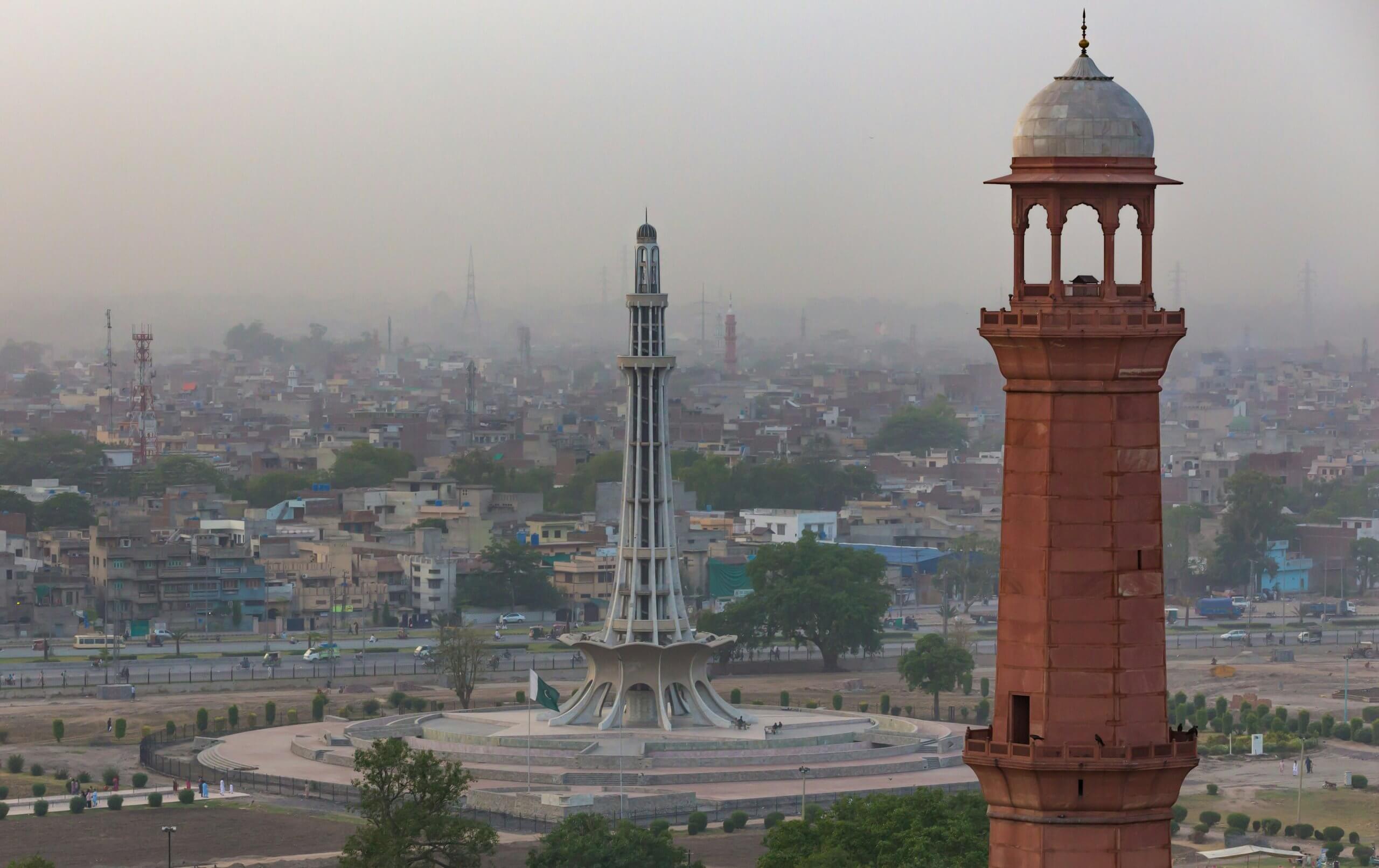
Most international visitors encounter Pakistan’s accommodation sector first in major urban centres such as Islamabad, Lahore and Karachi. These cities offer the widest range of options, from internationally recognised luxury hotels to boutique establishments and business-focused accommodation. In commercial districts, hotels often cater to diplomats, corporate travellers and international visitors, providing modern facilities including restaurants, conference spaces, fitness centres and reliable internet connectivity. Islamabad, with its organised layout and proximity to government institutions, contains many of the country’s premium accommodation options.
Visitors often appreciate the city’s relatively quiet atmosphere, tree-lined avenues and easy access to nearby attractions. Hotels in the capital frequently combine contemporary design with elements inspired by regional architecture and local craftsmanship. Lahore presents a different accommodation experience. As one of South Asia’s most historic cities, it offers opportunities to stay close to cultural landmarks, traditional markets and heritage districts.
Some boutique properties incorporate architectural influences from the Mughal and colonial eras, allowing guests to experience aspects of the city’s history while enjoying modern comforts. The sounds of evening street life, the aroma of local cuisine and views of historic monuments often become part of the accommodation experience itself. In Karachi, Pakistan’s largest city and principal economic hub, accommodation reflects the city’s role as a commercial centre. Large hotels serve business travellers and tourists alike, while smaller guesthouses and serviced apartments provide alternatives for longer stays.
Proximity to business districts, shopping areas and coastal attractions frequently influences accommodation choices within the city. Beyond the major urban centres, accommodation becomes increasingly connected to local environments and communities. In the mountainous regions of Gilgit-Baltistan and Khyber Pakhtunkhwa, guesthouses, lodges and family-run establishments form an important part of the tourism infrastructure. These accommodations often provide more than a place to sleep; they serve as gateways to local culture, cuisine and community life.
The Hunza Valley illustrates this relationship particularly well. Many guesthouses overlook terraced fields, historic forts and snow-covered peaks, creating an atmosphere that encourages visitors to engage with their surroundings. Family-operated lodgings frequently offer home-cooked meals and opportunities to learn about local traditions, making accommodation an integral part of the travel experience rather than simply a practical necessity. Mountain lodges located along trekking routes and scenic valleys provide access to some of Pakistan’s most celebrated landscapes.
Accommodation standards vary according to location, but many travellers find that the simplicity of these lodgings is balanced by their extraordinary settings. Waking to views of the Karakoram Range or enjoying evening conversations beside a stove in a remote valley often becomes a memorable aspect of the journey. Religious tourism also contributes to accommodation demand in certain regions. Cities and towns associated with important religious sites offer hotels and guesthouses designed to accommodate pilgrims and visitors.
These establishments vary considerably in scale and amenities but often play a significant role during major religious events and festivals. An important insight for travellers is that accommodation in Pakistan frequently serves as a bridge between visitors and local communities. Unlike destinations dominated by large resort developments, many lodging options remain locally owned and managed. As a result, interactions with hosts, staff and neighbouring residents often become a valuable part of the overall experience.
Budget travellers generally find affordable options in hostels, guesthouses and smaller hotels across many cities and tourism regions. Mid-range travellers benefit from a growing number of comfortable hotels offering modern amenities at competitive prices. Luxury travellers, meanwhile, can choose from internationally recognised brands and high-end properties that provide extensive services and facilities. Seasonality influences accommodation availability and pricing, particularly in northern Pakistan.
During peak tourism months, demand increases significantly in destinations such as Hunza, Skardu and Fairy Meadows. Advance booking is therefore advisable for travellers planning to visit popular mountain regions during favourable weather conditions. As Pakistan’s tourism sector continues to develop, accommodation options are evolving alongside growing visitor interest. New hotels, eco-lodges and boutique properties are emerging in both established and lesser-known destinations.
This expansion is increasing accessibility while preserving many of the characteristics that make accommodation experiences in Pakistan distinctive and memorable. Commonwealth Gateway Closing Perspective Accommodation in Pakistan reflects the country’s varied landscapes, cultural traditions and evolving tourism sector. From contemporary city hotels to family-run mountain guesthouses, places to stay often provide more than comfort and convenience. They offer opportunities to engage with local communities, appreciate regional identities and experience the many dimensions of Pakistan’s diverse character.
For more information, take a look at these local third-party websites: