
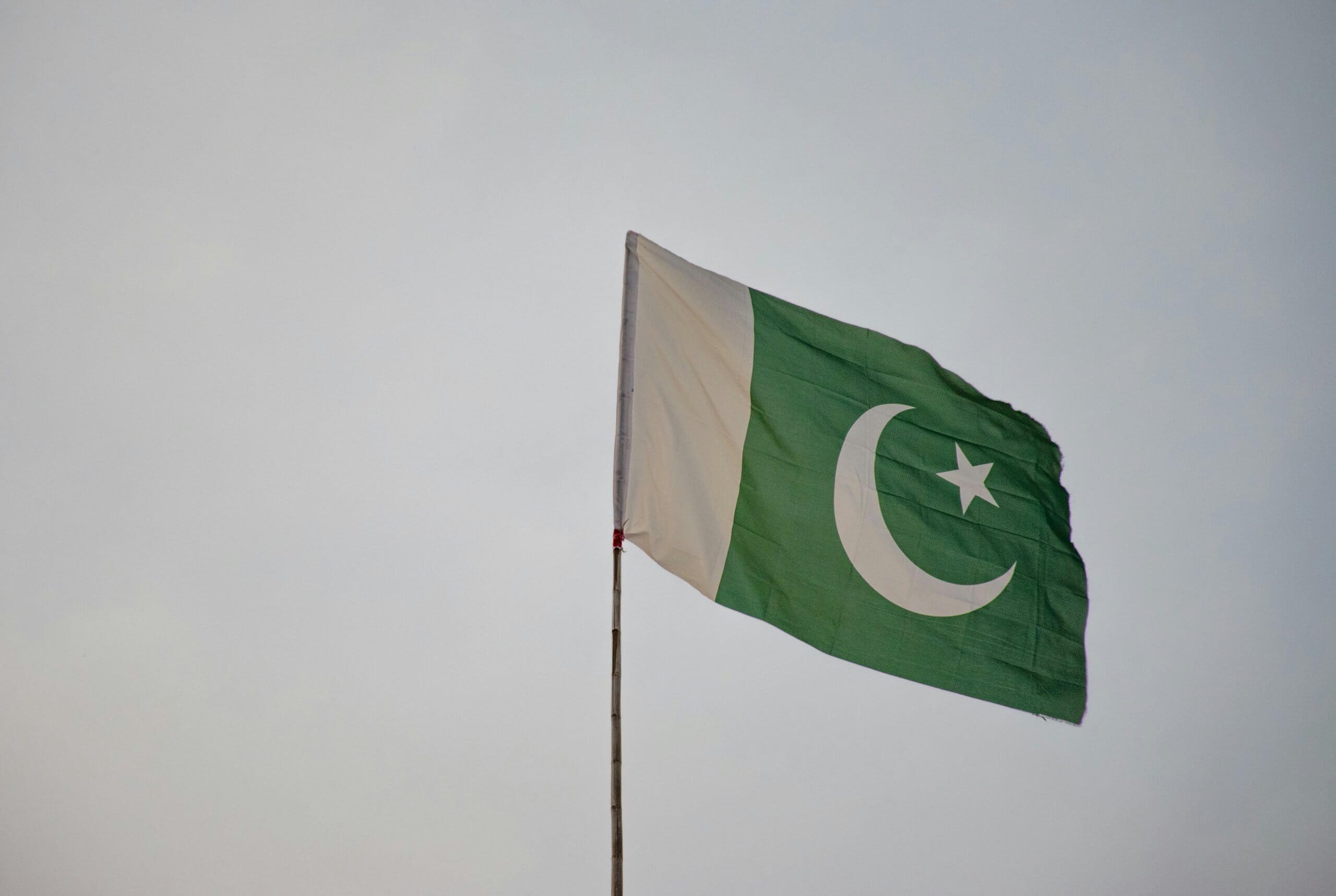
Meaningful connections in Pakistan often begin with simple conversations, where hospitality, curiosity and community remain deeply embedded within everyday life. For many travellers, one of the most memorable aspects of visiting Pakistan is the opportunity to engage with local people. While the country’s mountains, historic cities and cultural landmarks attract attention, it is often personal interactions that leave the strongest impressions. Across Pakistan, social life is shaped by traditions of hospitality, family relationships and community networks that influence how people welcome visitors and interact with strangers.
The experience of connecting with locals varies across the country’s diverse regions. In major cities such as Lahore, Karachi and Islamabad, visitors encounter a population accustomed to interacting with people from different backgrounds. Business professionals, students, shopkeepers and hospitality workers often engage comfortably with international visitors, creating opportunities for conversations about daily life, culture and contemporary Pakistan. Lahore is particularly noted for its sociable atmosphere.
Conversations frequently emerge in markets, cafés, cultural sites and public spaces. Visitors exploring the city’s historic districts often find themselves discussing local traditions, food and history with residents eager to share perspectives about their city. These informal exchanges can provide valuable insights that go beyond guidebooks and organised tours. In Karachi, the country’s largest city, interactions reflect the diversity of a major metropolitan centre.
People from numerous ethnic, linguistic and cultural backgrounds contribute to the city’s character. Travellers who spend time in local neighbourhoods, markets and cultural venues often encounter a wide range of viewpoints and experiences that illustrate the complexity of modern Pakistani society. Outside major urban centres, connectivity with locals can become even more personal. In rural areas and smaller towns, visitors may attract genuine curiosity simply because international tourism remains relatively limited in some regions.
Conversations frequently begin with questions about where visitors come from and what has brought them to Pakistan. Such exchanges often lead to discussions about family, local customs and everyday life. The northern regions of Gilgit-Baltistan and parts of Khyber Pakhtunkhwa provide particularly memorable opportunities for community interaction. Guesthouses, village walks and local markets allow travellers to engage with residents whose lives are closely connected to mountain environments.
Many visitors find that these interactions offer deeper understanding of regional cultures, traditions and livelihoods. Hospitality occupies a central place within many Pakistani communities. Guests are often treated with considerable respect, and invitations to share tea or meals are not uncommon. While cultural expectations vary between regions and households, generosity towards visitors remains an important social value.
For travellers, accepting hospitality respectfully can create opportunities for meaningful cultural exchange. Language can influence the nature of local interactions. Urdu serves as the national language, while English is widely used in education, government and business settings. In major cities, many people possess at least some English-language ability, making communication relatively accessible for international visitors.
Regional languages such as Punjabi, Sindhi, Pashto and Balochi also play important roles in everyday life and cultural identity. An insight that often surprises visitors is that conversations in Pakistan frequently extend beyond practical topics. Discussions about family, education, community and aspirations are common, reflecting the importance of personal relationships within social interactions. Such conversations can reveal perspectives on contemporary issues while also highlighting shared experiences that transcend cultural differences.
Digital technology has expanded new forms of connectivity as well. Social media platforms, messaging applications and online communities increasingly shape how people communicate. Young Pakistanis, in particular, often engage actively in digital spaces, creating additional opportunities for cultural exchange and international dialogue. Educational institutions provide another avenue for connection.
Universities and colleges across the country bring together students from diverse backgrounds, and many are interested in discussing global issues, cultural differences and future opportunities. Visitors participating in academic events or community programmes may find these settings especially conducive to meaningful engagement. Religious and cultural events can also offer opportunities to observe and understand local social life. Festivals, public celebrations and community gatherings frequently bring people together in ways that reflect regional traditions and shared identities.
Respectful participation or observation allows travellers to gain insight into values and customs that shape everyday interactions. At the same time, cultural sensitivity remains important. Understanding local customs regarding dress, behaviour and social etiquette helps foster positive interactions and demonstrates respect for community norms. Travellers who approach conversations with openness and curiosity are often rewarded with warm and informative exchanges.
Ultimately, connectivity with locals in Pakistan is often characterised by genuine human engagement. Whether sharing tea in a mountain village, discussing history in a city market or exchanging ideas with students and professionals, visitors frequently discover that personal connections provide some of the most enduring memories of their journey. Commonwealth Gateway Closing Perspective Connecting with locals in Pakistan offers opportunities to experience the country beyond its landscapes and landmarks. Through hospitality, conversation and shared experiences, visitors gain insight into the values, traditions and aspirations that shape contemporary Pakistani society.
These interactions often reveal a country defined not only by its history and geography but also by the warmth and diversity of its people.
For more information, take a look at these local third-party websites: