
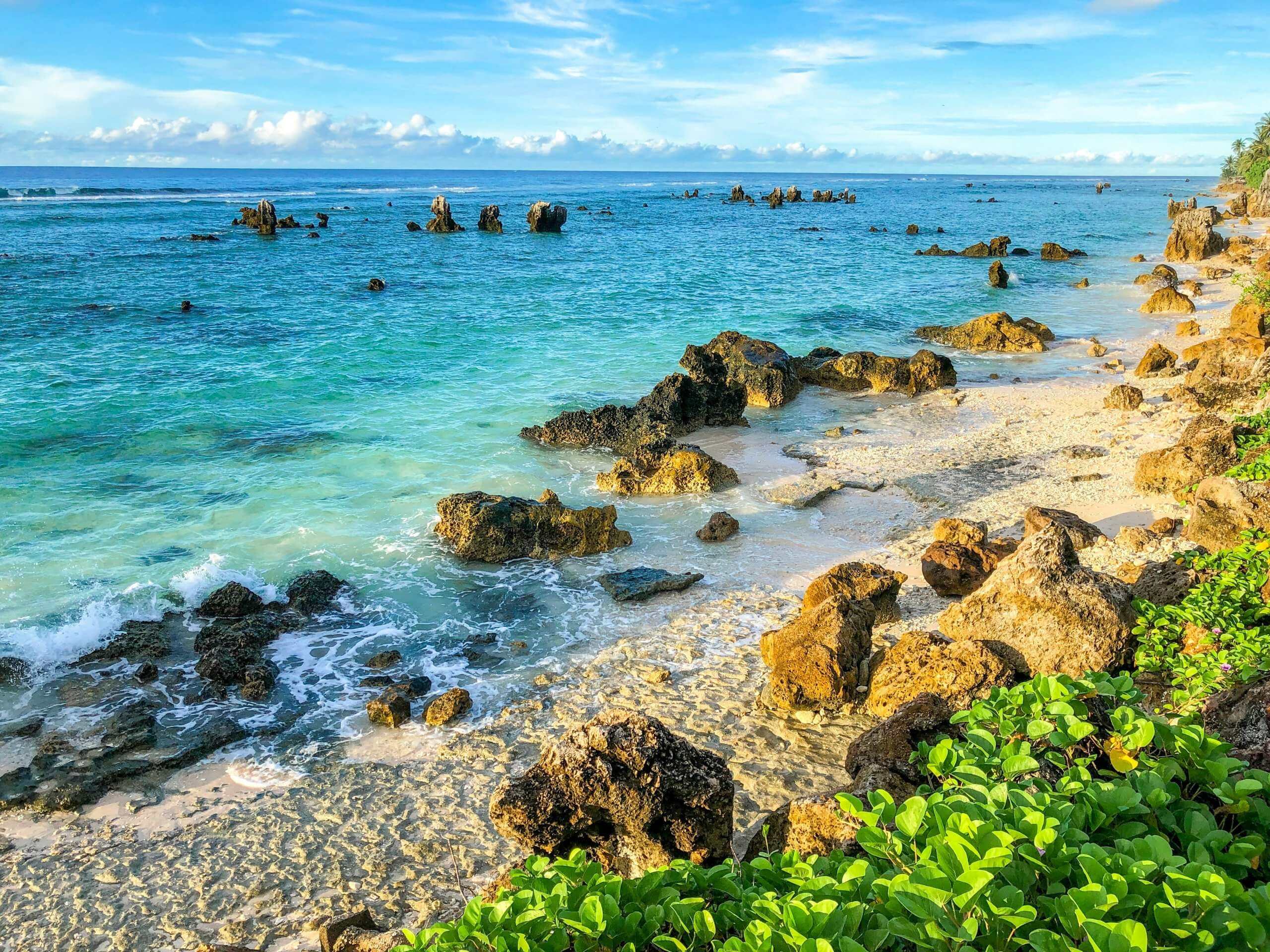
Tourism in Nauru is unlike tourism in many larger destinations. Visitors do not arrive to find extensive resort districts, large tourism marketing campaigns or a vast network of commercial attractions. Instead, Nauru offers a more intimate experience rooted in history, community life and the distinctive character of a small Pacific island nation. Because the tourism sector remains relatively modest in scale, reliable information resources play an especially important role in helping visitors plan meaningful and informed journeys.
Official websites, regional organisations and local information platforms provide valuable guidance for travellers seeking to understand one of the world’s least-visited sovereign states. Nauru’s tourism appeal is built around authenticity. Visitors are drawn by the opportunity to experience a destination that remains largely untouched by mass tourism, explore unique historical and environmental landscapes and engage directly with local communities. As a result, tourism resources often focus less on commercial attractions and more on practical information, cultural context and historical understanding.
The Government of Nauru serves as the primary source of official travel information. Government websites provide guidance regarding visas, entry requirements, public services and national developments. Because travel arrangements to Nauru often require careful planning, official government information is particularly important for ensuring that visitors understand current regulations and logistical requirements before departure. Tourism information is frequently incorporated into broader government communications rather than managed through a large standalone tourism authority.
This reflects the scale of the tourism sector and the country’s focus on practical visitor support. Official resources help travellers understand transportation options, accommodation availability and local conditions while providing essential information about entry procedures. One of the most valuable resources for prospective visitors is information relating to Nauru Airlines. As the country’s national carrier, the airline plays a crucial role in connecting the island to the wider Pacific region.
Flight schedules, travel advisories and transportation updates are essential considerations for anyone planning a visit. Unlike destinations with numerous daily connections, Nauru’s accessibility depends heavily on regional air services, making reliable travel information particularly important. An important insight into tourism resources in Nauru is that many useful sources extend beyond traditional tourism websites. Regional organisations, academic institutions and Pacific-focused publications often provide valuable background information about the island’s history, culture and environment.
These resources help visitors develop a deeper understanding of the destination before arrival. The Pacific Community (SPC) offers a wealth of information relating to development, environmental issues and regional cooperation. While not a tourism organisation, its publications and resources provide context that can enhance appreciation of Nauru’s contemporary challenges and achievements. Visitors interested in sustainability, climate change and Pacific affairs often find these materials especially informative.
The University of the South Pacific represents another valuable source of information. Research publications, cultural studies and educational resources contribute to broader understanding of Pacific societies, including Nauru. Academic perspectives can enrich travel experiences by providing historical and cultural context often unavailable through conventional tourism guides. Regional media organisations also serve as useful resources.
Publications such as Islands Business and RNZ Pacific regularly cover developments affecting Nauru, including cultural events, environmental initiatives and tourism-related stories. Such reporting offers contemporary perspectives that complement official information. The Nauru Media Bureau provides updates on national events, government initiatives and community activities. For travellers interested in current affairs and local developments, this platform can be a useful source of information before and during a visit.
News coverage often highlights projects, celebrations and issues shaping everyday life on the island. Because Nauru’s tourism infrastructure is relatively small, travellers frequently rely on a combination of official sources, regional organisations and personal research. This encourages a more engaged planning process and often leads visitors to develop a stronger understanding of the destination before arrival. Environmental resources are particularly important given Nauru’s unique history.
Information relating to phosphate mining, land rehabilitation and climate change provides essential context for understanding many of the island’s attractions. Visitors exploring Command Ridge, Buada Lagoon or former mining areas often benefit from learning about the environmental transformations that have shaped the island. Another noteworthy feature of tourism information in Nauru is the emphasis on practical travel preparation. Accommodation availability, flight schedules, local services and transportation options require more advance planning than in many larger destinations.
Reliable information therefore becomes a critical component of successful travel. Digital technology has improved access to information significantly. Government websites, airline platforms and regional media sources allow prospective visitors to obtain updates from anywhere in the world. Social media has also emerged as a useful tool for sharing travel experiences and maintaining connections with local communities.
Cultural resources contribute another important dimension. Information about Nauruan traditions, language, community life and history helps visitors engage more respectfully and meaningfully with residents. These resources encourage cultural awareness and support positive interactions during a stay. Climate and environmental information are also highly relevant.
Weather patterns, water availability and environmental conditions can influence travel experiences. Resources provided by regional organisations and meteorological agencies help visitors understand seasonal conditions and prepare accordingly. For researchers, students and individuals interested in Pacific studies, Nauru offers opportunities for exploration that extend beyond tourism. Educational institutions, development agencies and regional organisations provide materials that illuminate the island’s social, economic and environmental realities.
These resources can transform a visit into a broader learning experience. The relatively small volume of tourism means that information sources often feel more personal and specialised than those associated with major destinations. Visitors are encouraged to seek detailed guidance, ask questions and engage directly with organisations and service providers. This personalised approach reflects the broader character of travel in Nauru.
Another important aspect of tourism resources is their role in promoting responsible travel. Respect for local customs, environmental awareness and community engagement are recurring themes across many information sources. These values align with broader efforts to ensure that tourism remains sustainable and beneficial for local communities. Ultimately, tourism resources in Nauru function as gateways to understanding rather than merely planning tools.
They help visitors appreciate the island’s history, environment and people while preparing for a travel experience that differs markedly from conventional tourism destinations. The emphasis is less on consuming attractions and more on engaging with a unique and resilient island society. Commonwealth Gateway Closing Perspective Nauru’s tourism websites and resources reflect the character of a destination where authenticity, preparation and understanding are central to the travel experience. Through official government information, regional organisations, educational institutions and local media, visitors gain access to the practical guidance and cultural context needed to explore the island responsibly.
These resources support meaningful engagement with one of the Pacific’s most distinctive and least-visited nations.
For more information, take a look at these local third-party websites: