
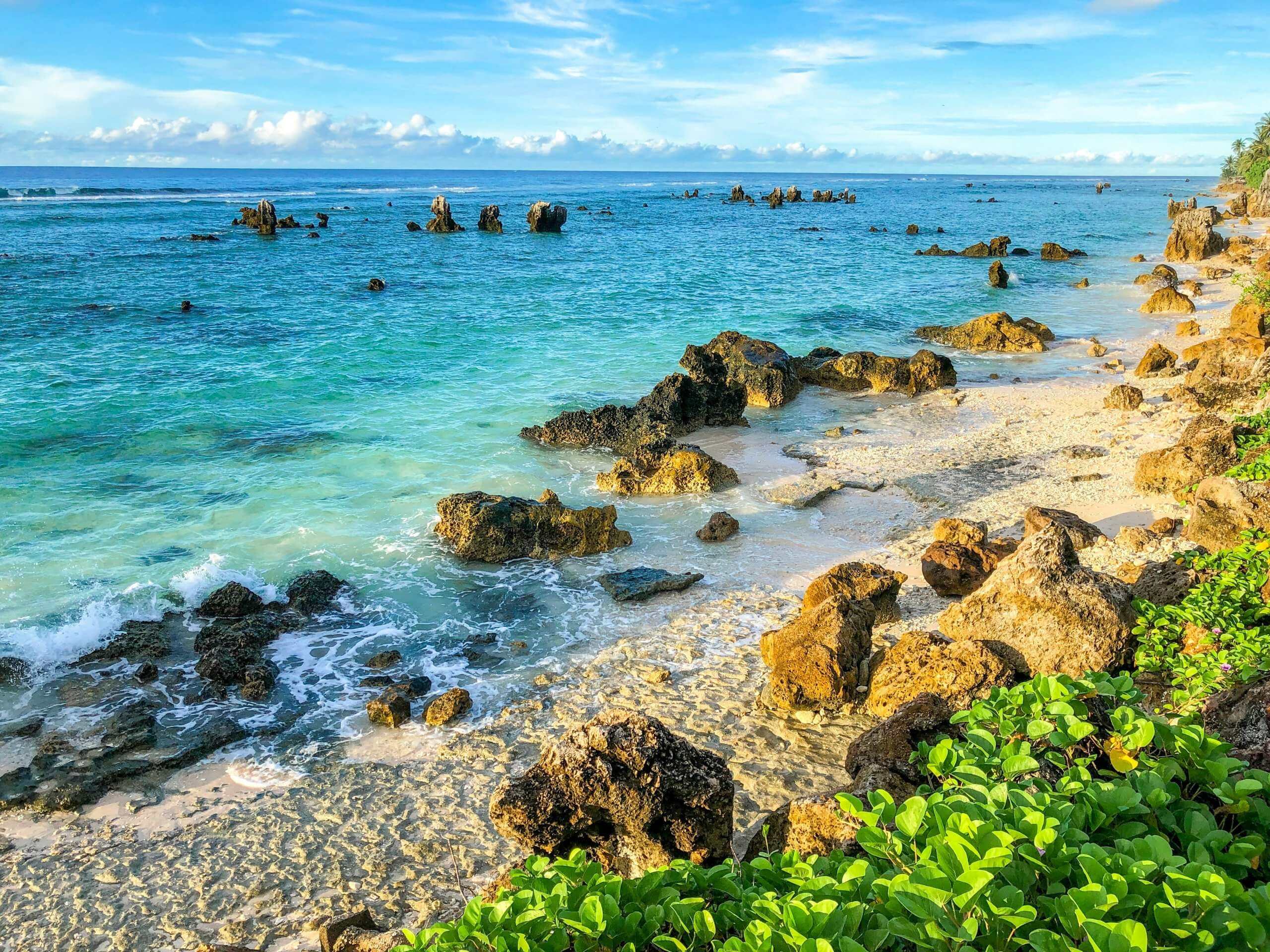
Weather in Nauru is closely tied to the island’s location in the central Pacific Ocean, just south of the Equator. Unlike countries that experience dramatic seasonal changes, Nauru enjoys a tropical climate characterised by warm temperatures throughout the year, high humidity and seasonal variations in rainfall rather than temperature. The ocean plays a dominant role in shaping local conditions, moderating extremes and creating a climate that remains relatively stable across the calendar year. For residents and visitors alike, understanding weather patterns provides valuable insight into daily life, environmental challenges and the rhythms of this small island nation.
The first thing many visitors notice is the consistency of temperatures. Because Nauru lies near the Equator, seasonal temperature fluctuations are limited. Daytime temperatures typically remain warm throughout the year, while evenings offer only modest cooling. Rather than experiencing distinct summer and winter seasons, the island’s climate is generally described in terms of wetter and drier periods.
This creates a weather pattern that feels familiar and predictable while still being influenced by broader Pacific climate systems. Humidity is a defining characteristic of Nauru’s climate. The surrounding Pacific Ocean contributes moisture to the atmosphere, creating conditions that can feel warmer than thermometer readings alone might suggest. Sea breezes provide welcome relief and help moderate temperatures, particularly in coastal areas where much of the population lives.
The constant presence of the ocean ensures that weather conditions remain closely connected to maritime influences. The wetter season generally occurs between November and February, when increased rainfall and occasional tropical disturbances affect the island. During this period, heavy showers may occur, often followed by sunshine. Rainfall can be intense but is frequently short-lived, allowing outdoor activities to resume relatively quickly.
The wet season plays an important role in replenishing water supplies and supporting vegetation growth across the island. The drier months tend to occur during other parts of the year, although rainfall can occur in any month due to the island’s tropical location. Unlike regions with sharply defined dry seasons, Nauru experiences variability influenced by broader climatic patterns. This means that even during relatively dry periods, occasional rain showers remain possible.
One of the most important influences on Nauru’s weather is the El Niño–Southern Oscillation (ENSO), a climate phenomenon affecting weather patterns across the Pacific. El Niño and La Niña events can significantly influence rainfall totals, drought conditions and seasonal variability. During certain years, prolonged dry periods may place pressure on water resources, while other years bring above-average rainfall. These fluctuations have important implications for environmental management and community resilience.
An important insight into Nauru’s weather is that rainfall is often more significant than temperature. Since temperatures remain relatively stable year-round, discussions about weather frequently focus on water availability, drought conditions and rainfall forecasts. Water security is a particularly important issue because the island lacks rivers and large natural freshwater sources. Rainwater harvesting and desalination systems therefore play essential roles in meeting community needs.
The island’s small size means that weather conditions are generally similar across most districts. Unlike larger countries where mountain ranges, deserts or extensive inland regions create multiple climate zones, Nauru experiences relatively uniform weather. A forecast issued for one part of the island is usually relevant to much of the country. This simplicity makes weather information easier to interpret and apply.
Tropical storms and cyclones are less common in Nauru than in some other Pacific island nations, but the island can still be affected by broader weather systems moving through the region. Strong winds, heavy rainfall and rough seas occasionally accompany these events. Monitoring regional forecasts is therefore important, particularly for aviation, shipping and emergency preparedness. The Pacific Ocean exerts a constant influence on daily weather.
Coastal breezes help regulate temperatures, while ocean conditions affect fishing activities, transportation and recreation. Residents often pay close attention to sea conditions as well as atmospheric forecasts, reflecting the central role that the ocean plays in everyday life. Agriculture and gardening are closely linked to rainfall patterns. Although land suitable for cultivation is limited, weather conditions influence the success of local food production efforts.
Rainfall forecasts can therefore have practical significance for households and community projects seeking to strengthen food security. Climate change has increased attention on weather monitoring and forecasting throughout the Pacific region. Rising sea levels, changing rainfall patterns and increased climate variability present challenges for many island nations, including Nauru. Accurate forecasting supports adaptation planning, infrastructure management and disaster preparedness.
Weather information has become an increasingly important tool for building resilience in the face of environmental change. Forecasting services rely on a combination of local observations, regional cooperation and international meteorological networks. Because Nauru is a small nation, collaboration with regional organisations and neighbouring countries plays an important role in ensuring access to reliable weather data and forecasting technology. These partnerships help improve forecast accuracy and strengthen early warning systems.
For visitors, the island’s weather is generally favourable throughout the year. Warm temperatures and tropical conditions support outdoor activities, coastal exploration and cultural experiences. Lightweight clothing, sun protection and awareness of occasional rain showers are usually sufficient preparations for most travellers. Another notable characteristic of Nauru’s climate is the consistency of daylight.
Its equatorial location means that day length varies relatively little throughout the year. Sunrises and sunsets occur at fairly regular times, contributing to stable daily rhythms and reinforcing the island’s connection to the natural environment. Weather also influences tourism experiences. Clear skies and calm seas provide excellent conditions for photography, coastal walks and sightseeing.
Following rainfall, vegetation often appears greener and more vibrant, creating attractive landscapes despite the island’s environmental challenges. Visitors interested in observing everyday life may find that weather conditions subtly shape community activities and routines. The island’s climate serves as a reminder of both the opportunities and vulnerabilities associated with small island environments. Warm temperatures, abundant sunshine and ocean breezes contribute to quality of life, while rainfall variability and climate-related risks require careful planning and adaptation.
This balance between environmental benefits and challenges is central to understanding Nauru’s relationship with weather. Ultimately, weather in Nauru is less about dramatic seasonal change and more about continuity, resilience and connection to the Pacific Ocean. It shapes water supplies, influences daily activities and reflects broader environmental processes affecting island communities throughout the region. Commonwealth Gateway Closing Perspective Nauru’s weather is defined by tropical warmth, ocean influences and seasonal variations in rainfall rather than temperature.
While conditions remain relatively stable throughout the year, rainfall patterns and climate variability play important roles in shaping daily life and environmental planning. Understanding the island’s weather provides valuable insight into both the opportunities and challenges of life on a small Pacific nation closely connected to the rhythms of the ocean.
For more information, take a look at these local third-party websites: