
Accommodation in Nauru reflects the island’s unique position as one of the world’s smallest and least-visited sovereign nations. Unlike major tourism destinations where hundreds of hotels compete for visitors, Nauru offers a much smaller and more intimate accommodation sector. This limited scale is not a weakness but rather a reflection of the island’s character. Visitors arriving in Nauru encounter a destination where hospitality is shaped by community, practicality and authenticity rather than mass tourism infrastructure.
Accommodation here provides an opportunity to experience everyday island life while exploring a distinctive corner of the Pacific. The development of accommodation in Nauru has been influenced by the island’s history, geography and economic priorities. Tourism has never been the dominant sector of the economy in the way it has for many neighbouring Pacific destinations. Instead, accommodation facilities have traditionally served government visitors, business travellers, development partners and a modest number of tourists interested in exploring the island.
As a result, the accommodation landscape remains relatively small but functional. One of the first things visitors notice is the absence of large resort complexes. Nauru’s coastline is not lined with extensive tourism developments, and accommodation tends to be more modest in scale. This creates a travel experience that feels considerably more personal than that found in many popular island destinations.
Guests often interact directly with local staff and gain a closer understanding of community life. The island’s principal accommodation options are concentrated near key administrative and residential areas. Hotels and guesthouses provide comfortable facilities for short and medium-term stays, offering essential amenities while maintaining a relaxed atmosphere. The proximity of accommodation to most attractions means that visitors can easily explore much of the island without lengthy journeys.
Accommodation providers often serve a diverse range of guests. Government officials, regional delegates, aid workers, business travellers and tourists may all share the same facilities. This mix contributes to an environment where conversations frequently extend beyond tourism, offering insights into contemporary Pacific affairs and island life. An important insight into accommodation in Nauru is that convenience often outweighs luxury.
Because the island is compact and travel distances are minimal, visitors spend less time commuting between accommodation and attractions. The focus therefore shifts from elaborate facilities to accessibility, hospitality and opportunities for engagement with local culture. Hotels generally provide air-conditioned rooms, dining facilities and internet access, although services may vary depending on the property. Given the tropical climate, air conditioning is particularly valued and contributes significantly to visitor comfort.
Accommodation standards are typically geared towards practical needs rather than luxury tourism expectations. Guesthouses provide an alternative for travellers seeking a more local experience. These smaller establishments often offer opportunities to interact more closely with residents and gain insight into daily life on the island. The atmosphere tends to be informal and welcoming, reflecting the strong community values that characterise Nauruan society.
Because accommodation capacity is limited, advance booking is strongly recommended. Unlike destinations where numerous alternatives may be available, Nauru’s small hospitality sector can experience periods of high demand, particularly during regional meetings, government events or periods of increased business activity. Early planning helps ensure availability and allows visitors to secure accommodation that meets their preferences. The location of accommodation frequently enhances the visitor experience.
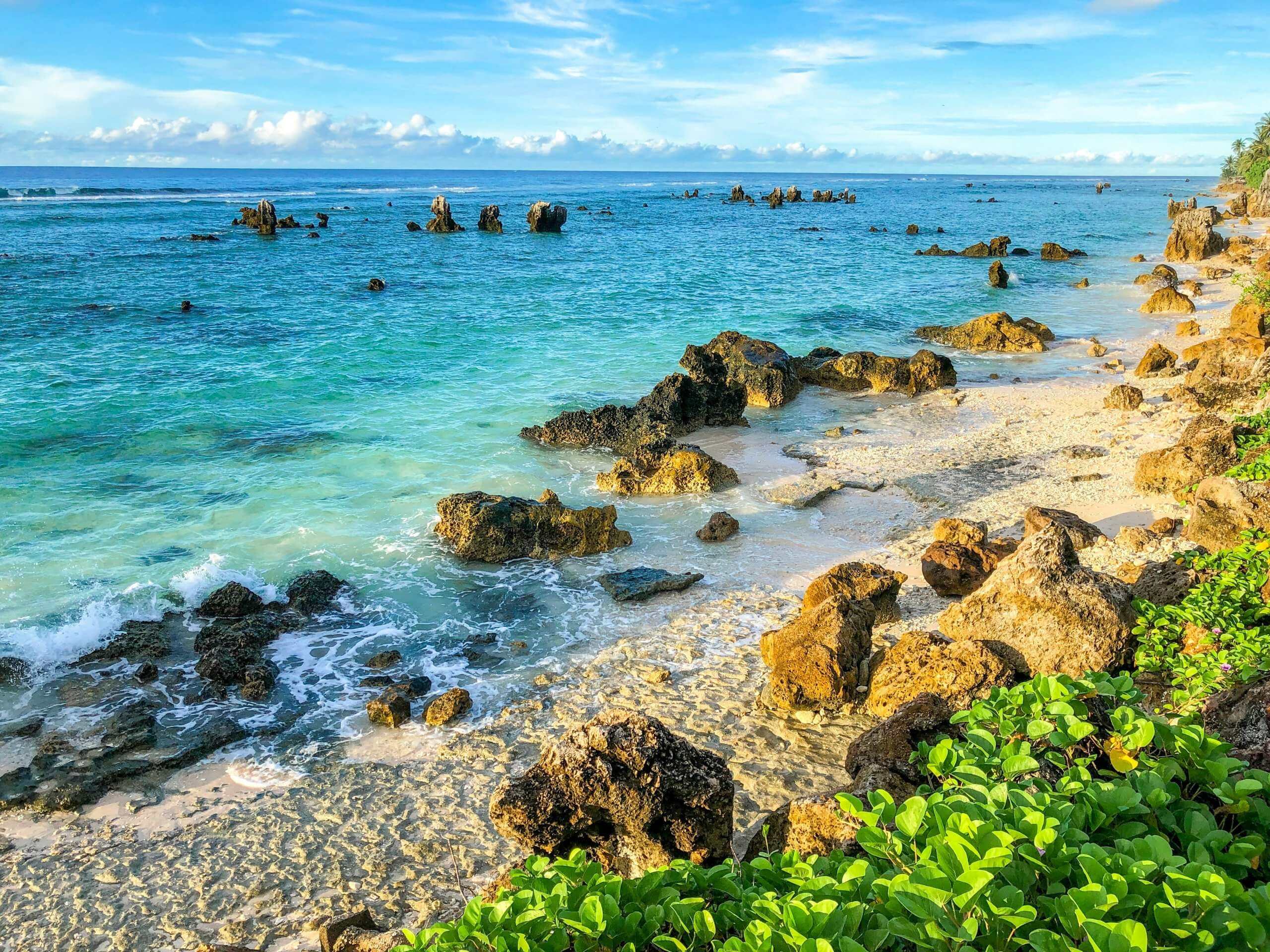
Many properties are situated near the coast, providing easy access to beaches, community facilities and scenic viewpoints. The sound of ocean waves and the presence of sea breezes contribute to the relaxed atmosphere associated with island living. Dining is often integrated into accommodation experiences. Hotels and guesthouses commonly provide restaurant services that feature a combination of local and international dishes.
Fresh seafood, imported ingredients and Pacific-inspired flavours may all appear on menus, allowing guests to explore aspects of Nauruan cuisine without travelling far from their accommodation. The compact geography of Nauru means that visitors can explore most attractions while staying in a single location. There is generally no need to change accommodation when moving between different parts of the island. This simplicity distinguishes Nauru from larger destinations where extensive travel between regions may require multiple overnight stays.
Another notable characteristic is the sense of safety and familiarity associated with accommodation on the island. The close-knit nature of the community contributes to a welcoming environment where visitors often feel quickly integrated into local rhythms. Hospitality extends beyond formal services and frequently includes genuine social interaction. Sustainability and resource management influence accommodation operations.
Like many small island nations, Nauru faces challenges related to water supply, energy use and imported resources. Accommodation providers therefore often operate within practical constraints while striving to maintain comfortable standards for guests. Visitors may notice a greater emphasis on resource awareness than in destinations with more abundant infrastructure. The relatively small scale of tourism also means that accommodation contributes to preserving the island’s authenticity.
Visitors are less likely to encounter heavily commercialised tourism districts and more likely to experience environments used primarily by residents. This distinction appeals to travellers seeking genuine cultural encounters rather than highly curated tourism experiences. For researchers, journalists and individuals interested in Pacific affairs, accommodation often serves as a base for deeper engagement with the island. Conversations with residents, visits to community sites and participation in local events frequently emerge as highlights of a stay.
In this sense, accommodation functions as a gateway to understanding Nauru rather than simply a place of residence. The island’s tropical climate influences accommodation design and operations. Buildings are typically designed to maximise ventilation and comfort while providing protection from heat and seasonal rainfall. Outdoor spaces, shaded areas and proximity to coastal breezes contribute to the overall guest experience.
Economic realities also shape accommodation pricing. Limited supply, import dependence and operational costs can make rates appear relatively high compared with larger destinations. However, visitors are paying not only for lodging but also for access to a unique destination rarely experienced by international travellers. Perhaps the most distinctive feature of accommodation in Nauru is the opportunity it provides for immersion.
Rather than remaining separate from local life, visitors often find themselves observing and participating in the rhythms of the community. Everyday interactions become part of the travel experience, creating memories that extend beyond conventional tourism activities. Today, accommodation in Nauru reflects the island’s broader identity: practical, welcoming and authentic. While facilities may be more limited than those found in major tourism hubs, they provide comfortable access to a destination that rewards curiosity, openness and a willingness to engage with one of the Pacific’s most distinctive nations.
Commonwealth Gateway Closing Perspective Accommodation in Nauru offers visitors an experience defined by authenticity rather than scale. Hotels and guesthouses provide comfortable access to island life while encouraging meaningful engagement with local communities and culture. Although options are limited compared with larger destinations, the personal atmosphere, convenience and unique setting create memorable experiences that reflect the character of one of the world’s smallest island nations.
For more information, take a look at these local third-party websites: