
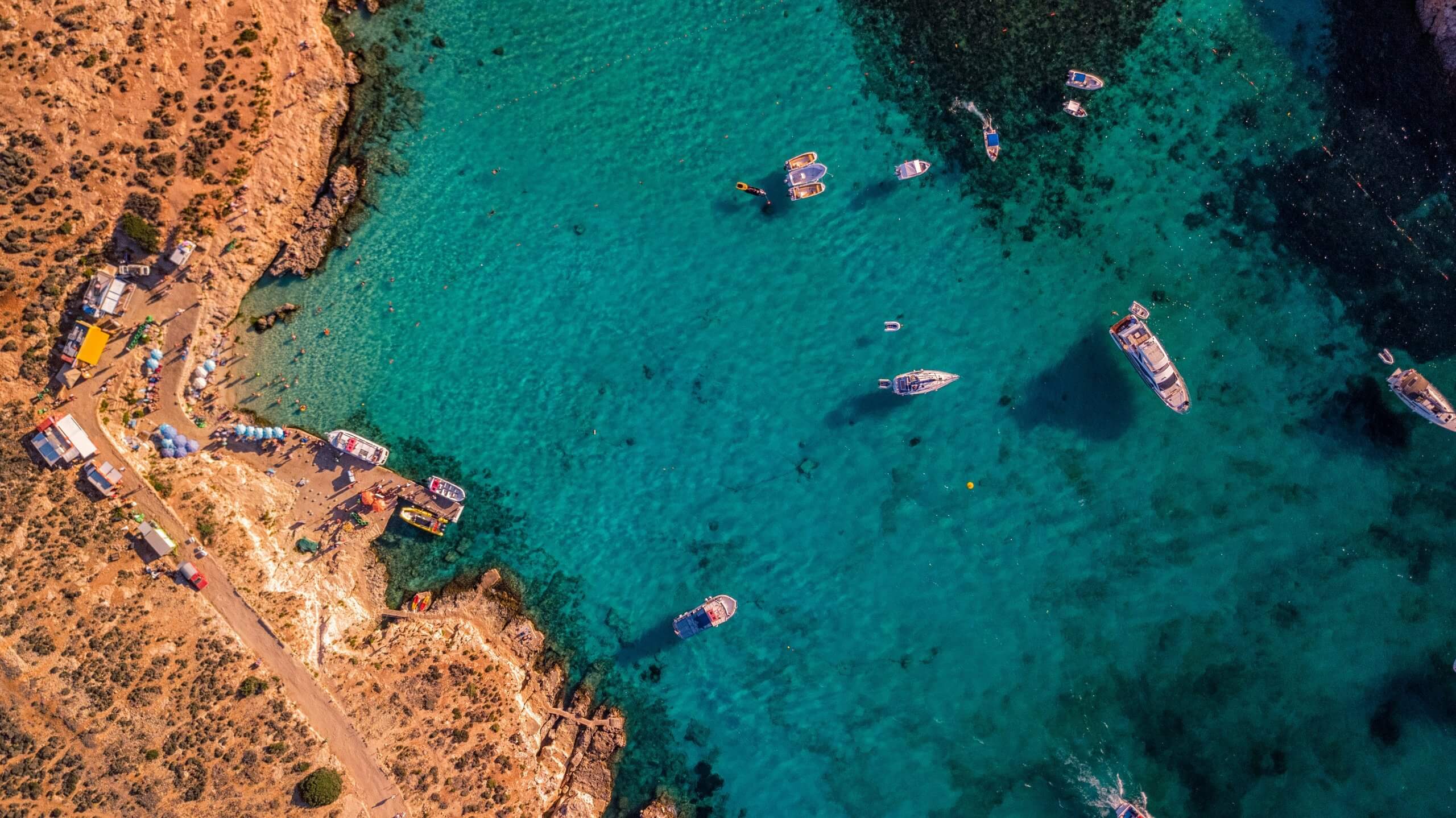
Malta’s weather is one of the defining features of life on the islands, shaping everything from daily routines and agricultural traditions to festivals, tourism, and outdoor culture. Blessed with one of the sunniest climates in Europe, Malta enjoys long summers, mild winters, and a Mediterranean atmosphere that has attracted visitors for centuries. Situated in the central Mediterranean between Europe and North Africa, Malta experiences a classic Mediterranean climate characterised by hot, dry summers and mild, wetter winters. The surrounding sea moderates temperature extremes, creating generally comfortable conditions throughout much of the year.
For many travellers, the climate is among Malta’s greatest attractions, supporting year-round exploration and outdoor activities. Summer dominates the Maltese calendar. From June through September, sunshine is abundant, rainfall is rare, and temperatures frequently reach between 30°C and 35°C. Coastal areas benefit from sea breezes that provide some relief from the heat, while the Mediterranean waters warm significantly, creating ideal conditions for swimming, snorkelling, diving, sailing, and other marine activities.
July and August represent the height of summer. During these months, Malta comes alive with festivals, village festas, outdoor dining, and vibrant nightlife. Streets remain active well into the evening as residents and visitors take advantage of cooler nighttime temperatures. Beaches, harbours, and waterfront promenades become focal points of social life across the islands.
While summer offers exceptional weather for beach holidays, it also brings the highest visitor numbers and the warmest temperatures. Travellers who prefer cooler conditions may find the shoulder seasons particularly appealing. Spring, extending from March to May, is often considered one of the best times to visit Malta. Temperatures are comfortably warm, landscapes become greener following winter rainfall, and wildflowers appear across the countryside.
The weather is ideal for sightseeing, hiking, photography, and exploring historical sites without the intense heat of midsummer. Spring also offers a unique perspective on the islands. Valletta’s historic streets, the fortified city of Mdina, archaeological sites, and coastal walking trails can be enjoyed under pleasant conditions that encourage outdoor exploration. Many visitors find this season provides an excellent balance between favourable weather and manageable visitor numbers.
Autumn, from September through November, represents another highly attractive period. The sea remains warm after months of summer sunshine, while air temperatures gradually become more comfortable. September and October often combine beach-friendly conditions with fewer crowds than peak summer months. An important insight about Malta’s climate is that autumn can sometimes provide a more balanced travel experience than midsummer.
Visitors continue to enjoy swimming, boating, and outdoor activities while benefiting from milder daytime temperatures and a more relaxed atmosphere. For many experienced travellers, autumn represents Malta at its most comfortable. Winter in Malta differs significantly from winter conditions in much of Europe. From December to February, temperatures generally range between 10°C and 18°C.
Snow and frost are virtually unknown, and sunny days remain common even during the coolest months. Rainfall is more frequent than during summer, but prolonged periods of severe weather are relatively uncommon. Winter offers opportunities for cultural exploration rather than beach-focused tourism. Historic cities, museums, churches, archaeological sites, and local communities can be experienced without large crowds.
Christmas celebrations, religious festivals, and seasonal events contribute additional cultural interest during this period. Rainfall in Malta is concentrated primarily between October and March. Even during wetter months, however, annual precipitation remains relatively modest compared with many European countries. Rain often arrives in short but intense episodes separated by periods of sunshine.
The islands’ dry summers contrast sharply with these seasonal patterns, highlighting the Mediterranean character of the climate. The sea plays a crucial role in moderating weather conditions. During summer, coastal breezes help alleviate heat, while in winter the surrounding Mediterranean prevents temperatures from falling dramatically. This maritime influence contributes significantly to Malta’s reputation as a year-round destination.
Weather conditions strongly influence outdoor recreation. Diving and snorkelling are popular throughout much of the year due to excellent underwater visibility and relatively warm sea temperatures. Sailing, kayaking, and boating activities also benefit from favourable conditions during extended portions of the year. The islands receive more than 3,000 hours of sunshine annually, making Malta one of Europe’s sunniest destinations.
This abundance of sunlight supports an outdoor lifestyle that is evident in public squares, cafés, waterfront promenades, and community events. Residents and visitors alike spend significant amounts of time outdoors throughout the year. Climate change has become an increasingly important topic within Malta. Rising temperatures, changing rainfall patterns, water resource management, and coastal resilience are receiving growing attention from policymakers, researchers, and environmental organisations.
Long-term planning seeks to address these challenges while preserving the environmental and economic benefits associated with the Mediterranean climate. The timing of a visit often depends on personal preferences. Beach enthusiasts and sun-seekers may prefer the summer months, while cultural travellers, walkers, and photographers frequently favour spring or autumn. Winter appeals to those seeking mild weather and quieter experiences.
Regardless of season, Malta offers opportunities to enjoy its landscapes, heritage, and coastal environment. The relatively stable climate ensures that visitors can engage with many aspects of island life throughout the year, making weather one of the country’s most consistent assets. Ultimately, Malta’s climate reflects its Mediterranean identity. Long summers, mild winters, abundant sunshine, and the influence of the sea create conditions that have shaped local culture and attracted travellers for generations.
Understanding seasonal variations allows visitors to choose the period that best suits their interests while appreciating the natural environment that defines the islands. Commonwealth Gateway Closing Perspective Malta’s Mediterranean climate provides one of the most reliable and enjoyable weather patterns in Europe. From sunny summers and warm seas to mild winters and colourful spring landscapes, each season offers distinct opportunities for exploration. Whether seeking beaches, cultural experiences, outdoor activities, or historical discovery, visitors can find favourable conditions throughout much of the year.
For more information, take a look at these local third-party websites: