
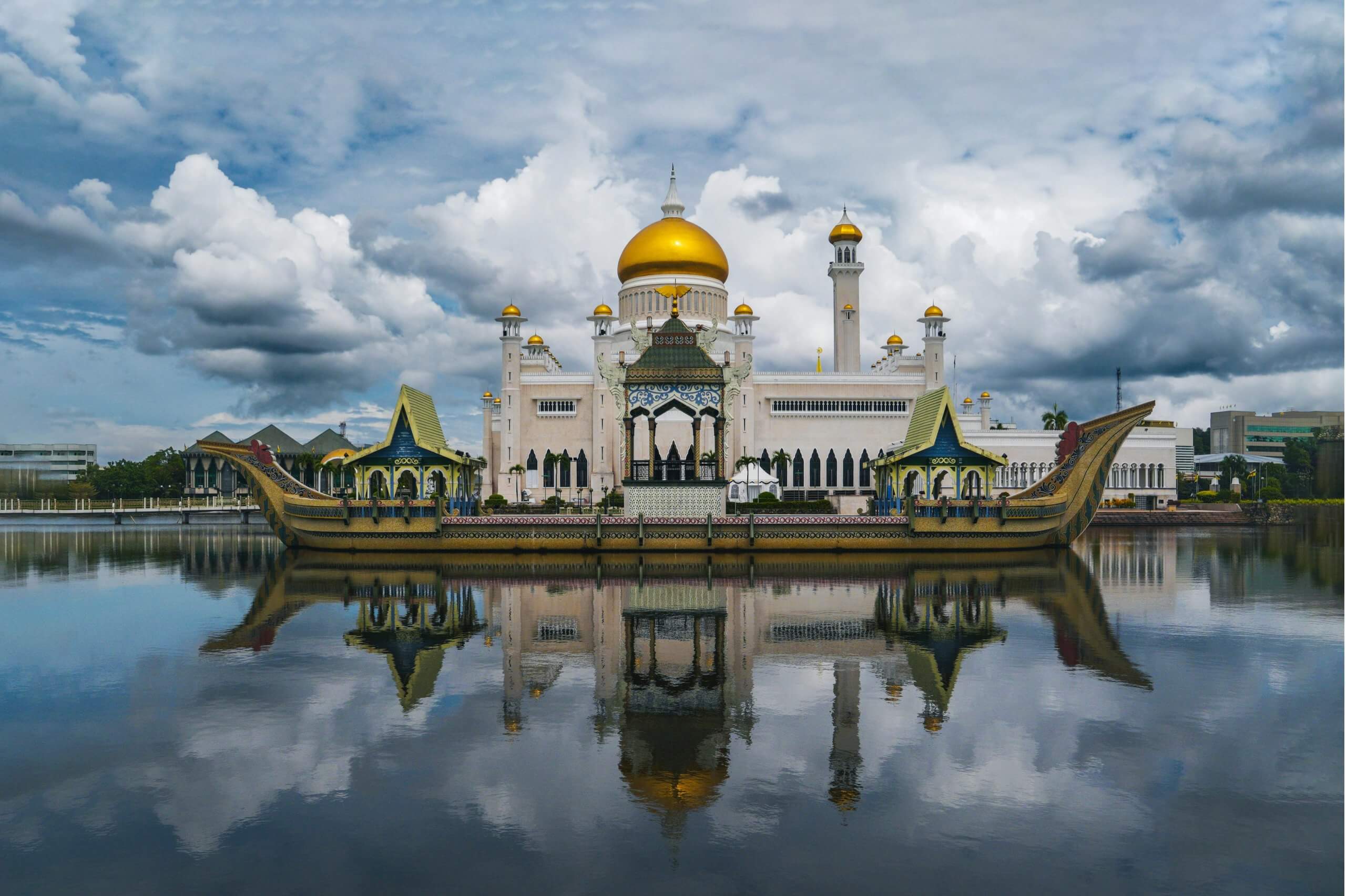
Brunei Darussalam’s health and safety resources reflect a country that is generally calm, orderly and well-managed, but still requires visitors to prepare carefully for tropical weather, medical needs, local laws, emergency services and respectful travel behaviour. For many travellers, Brunei is considered one of the safer destinations in Southeast Asia. Its public spaces are usually quiet, its cities are organised, and serious crime is relatively uncommon compared with many larger destinations. Bandar Seri Begawan, the capital, often feels peaceful, with clean roads, family-friendly public areas, religious landmarks, government buildings and calm neighbourhoods.
However, safety should never be taken for granted. Even in a safe country, travellers still need to know how to access medical help, what emergency numbers to call, how to prepare for the climate, and how to follow local laws and customs. The most important health and safety resource in Brunei is the Ministry of Health Brunei Darussalam. This is the main official source for public health information, healthcare services, disease updates, health campaigns and emergency guidance.
Visitors, students, workers and residents can use Ministry of Health resources to check current health advisories, hospital information, vaccination updates and general medical guidance. For travellers, this is especially important because health situations can change, and official sources are more reliable than random social media posts or outdated travel blogs. Brunei has several important emergency numbers that travellers should save before arrival. The ambulance number is 991, the police number is 993, fire and rescue is 995, and search and rescue is 998.
Brunei also has Talian Darussalam 123, a public service hotline, and Health Advice Line 148 for health-related guidance. These numbers are useful not only for major emergencies but also for situations where a visitor may need direction, advice or urgent support. Healthcare in Brunei is generally strongest in and around Bandar Seri Begawan and other developed areas. Hospitals and clinics in urban centres are more accessible, while remote areas may have more limited services.
This matters for visitors planning trips outside the capital, especially to rainforest areas, river communities or nature-based destinations such as Ulu Temburong. A traveller who becomes ill or injured in a remote location may face longer response times, so preparation is important. Travel insurance is highly recommended. Even if Brunei has reliable healthcare services, foreign visitors may still face medical costs, emergency transport expenses, flight disruptions or unexpected travel problems.
Good travel insurance should ideally cover medical treatment, emergency evacuation, trip delays, lost luggage and personal liability. This is especially important for travellers planning outdoor activities, rainforest visits, boat rides or longer stays. Before travelling, visitors should check health advice from official sources or travel clinics. Routine vaccinations should be up to date, and travellers should ask a healthcare professional whether any additional vaccines or precautions are recommended.
While Brunei is not usually considered a high-risk destination compared with some tropical countries, the climate still creates health considerations. Heat, humidity, mosquitoes, dehydration and food sensitivity can affect visitors. The tropical climate is one of the most important safety factors in Brunei. The country is warm and humid throughout the year, and rain can happen in any month.
Visitors may underestimate how tiring the heat can be, especially when walking outdoors, visiting markets or exploring religious and cultural sites. Heat exhaustion can happen when travellers do not drink enough water, walk too long in the sun or wear clothing that is too heavy. To stay safe, visitors should drink water regularly, take breaks in shaded or air-conditioned spaces and avoid overloading the itinerary during the hottest part of the day. Rain safety is also important.
Brunei’s sudden tropical showers can make roads, steps, walkways and wooden surfaces slippery. In Kampong Ayer, the historic water village, visitors should be careful when walking on wet wooden paths or boarding water taxis. In rainforest areas, paths can become muddy, roots can become slippery, and river levels may change after heavy rain. Visitors should wear appropriate shoes, bring light rain protection and listen to local guides.
Mosquito protection is another practical health concern. Travellers should bring insect repellent, wear appropriate clothing in the evening and be cautious in humid or forested areas. While not every mosquito bite leads to illness, prevention is still important in tropical destinations. Visitors staying near water, forest or garden areas should be especially careful.
Food and water safety in Brunei is generally manageable, especially in hotels, restaurants and popular food areas. However, travellers should still use common sense. It is best to eat from clean-looking food stalls, choose freshly cooked food, wash hands regularly and drink safe water. Brunei’s food markets and local eateries can be excellent experiences, but visitors with sensitive stomachs should introduce unfamiliar dishes gradually.
Personal safety in Brunei is usually straightforward. Visitors should still protect belongings, avoid leaving bags unattended, secure passports and valuables, and be careful in unfamiliar areas at night. Petty theft is not the dominant concern in Brunei, but basic awareness remains important. A safe country does not mean travellers should become careless.
Legal safety is one of the most important parts of travelling in Brunei. The country’s laws and public expectations are shaped by Islamic values, national order and respect for authority. Visitors should dress modestly, especially in mosques, government buildings, villages and formal settings. Public behaviour should be respectful and calm.
Travellers should avoid public drunkenness, offensive gestures, disruptive behaviour or careless comments about religion, monarchy or national institutions. Alcohol laws require special attention. Brunei does not have the same public drinking culture found in some neighbouring destinations. Alcohol is not openly sold, and public consumption is restricted.
Visitors should check customs rules before bringing any alcohol into the country and should never assume that what is legal elsewhere is acceptable in Brunei. Respecting these rules is part of staying safe. Drug laws are strict and should be taken seriously. Travellers should never carry illegal substances.
Prescription medicines should be kept in original packaging, and visitors should bring a doctor’s note or prescription when necessary. This is especially important for medicines that may be controlled in some countries. Border officials may ask questions about medication, so proper documentation helps avoid problems. Women travellers, solo travellers and families generally find Brunei manageable, but the same precautions apply: use reliable transport, inform someone of travel plans, avoid isolated areas at night and respect local customs.
Brunei’s family-oriented atmosphere can make it feel comfortable, but visitors should still remain aware of surroundings. For outdoor and nature travellers, safety planning should be more detailed. Rainforest trips require proper footwear, water, insect repellent, rain gear and sometimes a guide. Boat trips require attention to weather and safety instructions.
Visitors should not wander into forested areas alone or ignore guide advice. Brunei’s natural environment is beautiful, but tropical environments can change quickly. Local news and weather resources are also useful safety tools. Checking the Brunei Darussalam Meteorological Department can help travellers plan around heavy rain, thunderstorms or outdoor disruptions.
Local media such as Borneo Bulletin and The Scoop can provide updates on public announcements, road conditions, events and community notices. The insight shift is that Brunei’s safety is not only about low crime. It is about preparation, respect and awareness. The country is peaceful because public order, law, religion and social responsibility are taken seriously.
Visitors who understand this will travel more smoothly and respectfully. Ultimately, Brunei Darussalam’s health and safety resources are reliable and useful when travellers know where to look. The best preparation includes saving emergency numbers, checking official health guidance, carrying travel insurance, preparing for heat and rain, respecting local laws and staying informed through official and local sources. Brunei rewards careful travellers with a calm, secure and meaningful experience.
Commonwealth Gateway Closing Perspective Brunei Darussalam’s health and safety resources support a generally safe and organised travel environment. Visitors should use official health information, save emergency numbers, prepare for tropical weather, carry travel insurance and respect local laws and customs. Health and safety in Brunei is not only about avoiding illness or crime; it is also about understanding the country’s values of order, modesty, public respect and environmental awareness.
For more information, take a look at these local third-party websites: