
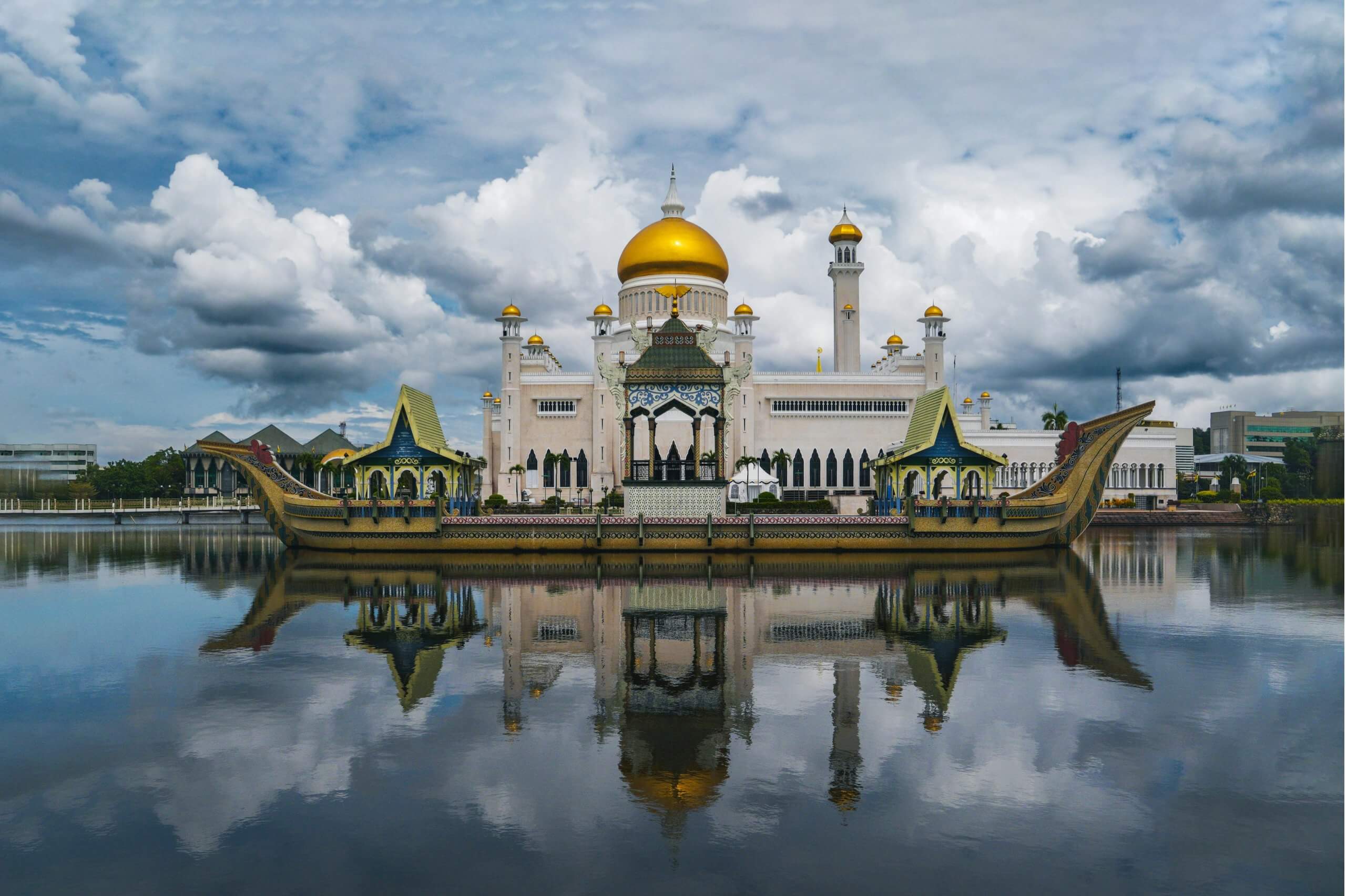
Brunei Darussalam has a tropical equatorial climate, meaning it is generally warm, humid and rainy throughout the year. Unlike countries with four clear seasons, Brunei does not experience winter, spring, summer and autumn in the usual sense. Instead, its climate is shaped by heat, humidity, rainfall, monsoon patterns and short shifts between wetter and slightly drier months. Because Brunei sits on the northern coast of Borneo, close to the equator and facing the South China Sea, temperatures remain fairly consistent throughout the year.
Visitors should expect warm tropical weather whether they arrive in January, April, July or October. The main difference between months is not temperature, but rainfall, humidity and outdoor comfort. Brunei’s weather is often described as hot, wet and humid year-round. The Brunei Darussalam Meteorological Department notes that rainfall follows seasonal patterns, with a major wetter period from late October to early January and another smaller wetter period around May to July.
December is often among the wettest months. This means travellers should not expect a completely dry climate, even during the “better” travel months. For most visitors, the best time to visit Brunei is usually from February to April, especially February and March, when rainfall is often lower and outdoor sightseeing is more comfortable. This period is useful for mosque visits, city walks, river tours, markets, photography and short nature trips.
Brunei can still receive rain during these months, but travel plans are usually easier to manage compared with the wetter end-of-year period. Brunei’s wetter months are commonly around October to January, with heavy rainfall more likely toward the end of the year. During this period, travel is still possible, but visitors should prepare for sudden showers, slippery paths, cloudy skies and possible disruption to outdoor plans. Rain may affect river tours, rainforest visits and access to some nature areas, especially around Temburong.
The country’s tropical weather affects how visitors should plan each day. Outdoor sightseeing is usually better in the morning or late afternoon, when the heat feels less intense. Midday can feel tiring because humidity makes the air heavy. Even if temperatures do not appear extremely high, the combination of heat and moisture can cause fatigue, especially for travellers who are not used to equatorial climates.
Bandar Seri Begawan can be visited year-round, but weather planning makes the experience smoother. Landmarks such as Sultan Omar Ali Saifuddien Mosque, Jame’ Asr Hassanil Bolkiah Mosque, the Royal Regalia Museum, Kampong Ayer and the waterfront are easier to enjoy when visits are timed around rain and heat. A practical itinerary might place outdoor photography and mosque visits in the morning, indoor museums around midday, and river or market activities later in the afternoon. For Kampong Ayer and Brunei River tours, weather matters because boat rides are more enjoyable during calmer conditions.
A cloudy day can actually be pleasant because it reduces direct sun exposure, but heavy rain may make boat travel uncomfortable. Visitors should use reputable operators, protect electronics and bring light rain gear. For Temburong and rainforest activities, visitors should expect moisture, mud and humidity even during better travel months. Rainforest environments are naturally wet, and trails can become slippery after rain.
Proper footwear, insect repellent, breathable clothing and waterproof bags are useful. Rain is part of the rainforest experience, but heavy downpours may affect hiking, canopy walks or river movement. Clothing should match both the climate and Brunei’s cultural expectations. Lightweight and breathable fabrics are best, but modest clothing is important because Brunei is a Muslim-majority country.
Visitors should avoid overly revealing clothing, especially in mosques, government areas and local communities. A light scarf, long trousers or a long skirt, and a breathable long-sleeved top can be useful for religious sites. Sun protection is important even on cloudy days. UV exposure can still be strong, and visitors may underestimate the sun because of cloud cover.
Sunscreen, sunglasses, hats and regular hydration are practical travel essentials. A small umbrella can be useful for both rain and sun. Brunei’s best travel season also depends on the purpose of the visit. For general sightseeing, February to April is usually the most comfortable.
For cultural experiences, February may be interesting because Brunei’s National Day is celebrated on 23 February. For rainforest travellers, the country is green year-round, but visitors should be prepared for rain at any time. Ramadan and Hari Raya can also affect the visitor experience. During Ramadan, opening hours, restaurant availability and the rhythm of public life may change.
However, it can also be a meaningful time to experience evening food culture and Ramadan bazaars respectfully. Travellers should check dates because Ramadan follows the Islamic calendar and shifts each year. Overall, Brunei is a year-round destination, but it is best enjoyed by travellers who prepare for tropical conditions. The weather encourages a slower travel style: morning sightseeing, shaded breaks, museum visits during heat or rain, and flexible outdoor plans.
Brunei’s climate is not something to avoid; it is part of the country’s atmosphere. Commonwealth Gateway Closing Perspective Brunei Darussalam’s weather reflects its equatorial location, rainforest environment and coastal Bornean geography. Warmth, humidity and rainfall are part of the country’s daily rhythm. The best time to visit is generally during the slightly drier months, especially February to April, but Brunei remains a year-round destination for travellers who prepare for tropical conditions.
Its climate encourages slower travel: mosque visits in the morning, shaded museum stops at midday, river journeys between showers and rainforest experiences shaped by mist, rain and greenery.
For more information, take a look at these local third-party websites: