
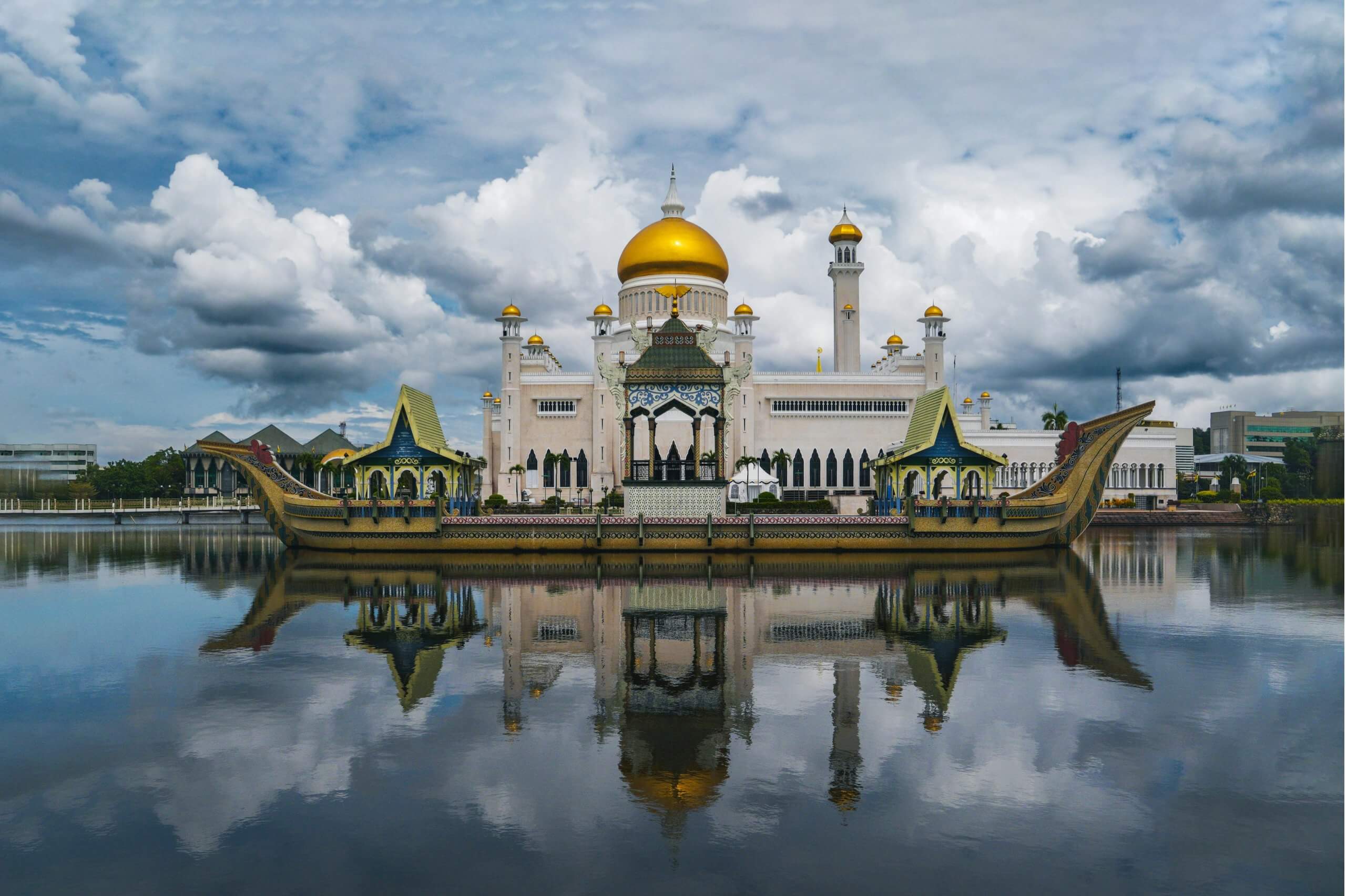
Brunei Darussalam’s tourism websites and resources guide visitors through a country of rainforest canopies, river settlements, Islamic architecture, calm city spaces and cultural experiences that are best understood through careful planning and trusted information. For travellers preparing to visit Brunei, online resources are especially useful because the country’s tourism style is quieter than many larger destinations in Southeast Asia. Brunei does not always present itself through crowded resort advertising or highly commercial travel campaigns. Instead, its tourism identity is built around calm discovery: the golden domes of Bandar Seri Begawan, the historic waterways of Kampong Ayer, the rainforest routes of Temburong, local markets, museums, mosques, coastal areas and cultural spaces shaped by Malay Islamic tradition.
The most important starting point is the official Brunei Tourism website. This is the clearest visitor-facing resource for destination information, itineraries, attractions, events and travel inspiration. It presents Brunei through themes such as nature, culture, food, heritage, adventure and family travel. For first-time visitors, it helps explain the country’s tourism character: peaceful, compact, green and strongly connected to both rainforest and faith.
The official tourism site describes Brunei through images of rainforests, golden domes, rivers and welcoming communities, giving travellers a useful overview of the country’s core visitor appeal. The official tourism website is particularly useful for planning visits to Bandar Seri Begawan. The capital is the main arrival point for most travellers and contains many of Brunei’s key attractions, including Omar Ali Saifuddien Mosque, Jame’ Asr Hassanil Bolkiah Mosque, museums, markets, waterfront areas and access to Kampong Ayer. A traveller using official resources can understand how these sites fit together geographically and culturally, rather than treating them as isolated stops.
Kampong Ayer is one of Brunei’s most important visitor experiences, and tourism resources help frame it correctly. It is not only a scenic water village; it is a living community with schools, homes, mosques and everyday routines. Responsible tourism information is important here because visitors should understand privacy, respectful photography and the value of guided interpretation. A good tourism resource does not simply say “visit the water village”; it helps visitors understand why the settlement matters.
For nature-based travel, Brunei Tourism and related official resources are useful for learning about Ulu Temburong and rainforest experiences. Brunei’s forests are one of its strongest tourism assets, and rainforest travel requires more preparation than a city walk. Visitors need information about transport, guides, weather, clothing, safety, river access and conservation expectations. Official resources can help travellers approach rainforest tourism as an environmental experience rather than only an adventure activity.
Government websites are also useful because they provide background on Brunei’s national identity, public services, immigration expectations and official information. The Information Department’s country profile explains Brunei’s location on the north-west coast of Borneo and gives basic national context, including geography and identity. This type of resource helps visitors understand the country before arrival, especially if they are writing, researching or preparing formal travel content. The Commonwealth Secretariat country page is useful for readers who want a broader institutional profile.
It places Brunei within the Commonwealth and provides country-level context. This is helpful for travellers, students, editors and researchers who need reliable background rather than informal travel commentary. For environmental and heritage context, UNESCO resources are valuable, even when a country’s tourism experience is not limited to UNESCO-listed sites. UNESCO pages help travellers think about heritage, conservation, education and cultural value.
In Brunei’s case, this kind of resource supports responsible tourism thinking, especially around rainforest protection, cultural respect and sustainable travel. Local media also helps travellers stay updated. Borneo Bulletin and The Scoop can provide current information about events, public holidays, community updates, development projects, weather-related disruptions and national announcements. For travellers already in Brunei, these outlets can be more useful than generic travel blogs because they reflect what is happening locally.
The insight shift in Brunei’s tourism resources is that the best websites do not simply help visitors find attractions. They help visitors understand pace. Brunei is not a destination to rush through with a checklist alone. Its strongest experiences often depend on context: knowing how to behave in a mosque, why Kampong Ayer matters, how rainforest conservation shapes Temburong, and how public life is influenced by Malay Islamic values.
Travellers should also be careful about relying too heavily on informal travel blogs or outdated third-party pages. Brunei’s tourism infrastructure, opening hours, entry rules and public events can change, so official sources should be checked first. Blogs may be useful for personal impressions, but they should not replace official tourism, government, weather, immigration or local news resources. For practical planning, visitors should combine several types of resources.
The official tourism site can help with attractions and itineraries. Government pages can help with national information and rules. Local media can help with current updates. Weather resources can support rainforest and river planning.
Commonwealth, World Bank and UNESCO pages can provide broader country and development context. Ultimately, Brunei Darussalam’s tourism websites and resources are most valuable when used together. They help visitors see the country not only as a place of mosques, markets and rainforest, but as a carefully ordered society with strong traditions and environmental significance. The best travel planning begins with reliable sources, and in Brunei, those sources help reveal a destination whose quietness is part of its meaning.
Commonwealth Gateway Closing Perspective Brunei Darussalam’s tourism websites and resources support a style of travel based on preparation, respect and context. Official tourism and government platforms provide the most reliable foundation, while local media and institutional sources add current updates and wider understanding. For visitors, these resources are essential for planning mosque visits, rainforest excursions, Kampong Ayer experiences, cultural activities and responsible travel through a small but distinctive Bornean nation.
For more information, take a look at these local third-party websites: