
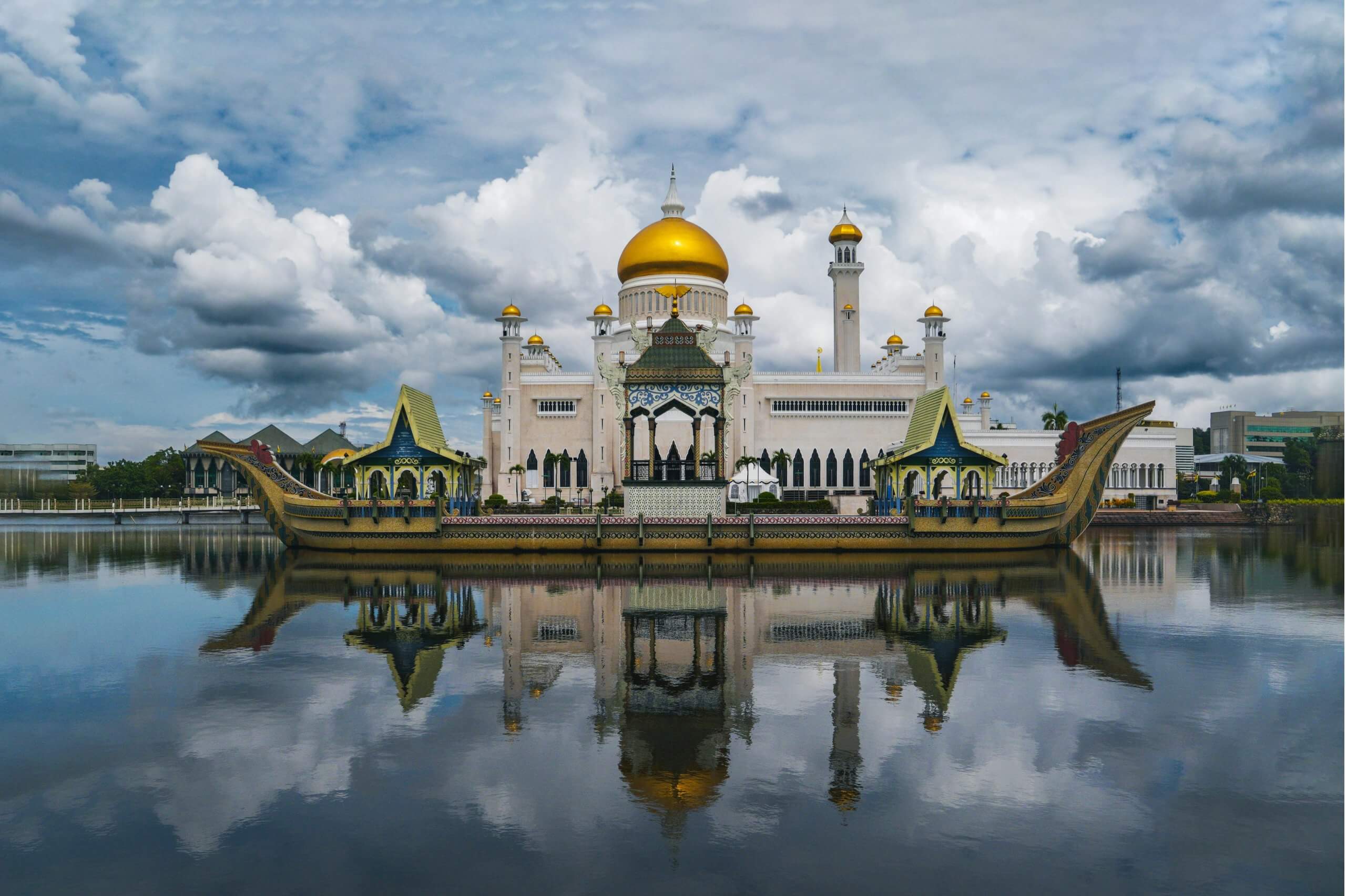
Brunei Darussalam’s public holidays and events are deeply connected to the country’s Islamic faith, Malay cultural identity, monarchy, national history and community life. For visitors, these holidays are not only dates on a calendar. They shape the rhythm of the country, influence opening hours, affect travel plans and reveal the values that are central to Bruneian society. Brunei is a Muslim-majority country, and many of its most important public holidays follow the Islamic calendar.
This means that several major holidays do not fall on the same Gregorian date every year. Instead, they depend on the lunar calendar and official moon-sighting announcements. Because of this, travellers should always check updated official information before finalising travel plans, especially if visiting during Ramadan, Hari Raya Aidilfitri or Hari Raya Aidil Adha. One of the most important periods in Brunei is Ramadan, the Islamic month of fasting.
During Ramadan, Muslims fast from dawn until sunset. The atmosphere of the country changes noticeably during this time. Daily routines may become quieter during the day, while evenings become more active as families and communities gather to break the fast. For visitors, Ramadan is a meaningful time to observe Brunei’s religious and social life, but it also requires extra respect and awareness.
During Ramadan, travellers should avoid eating, drinking or smoking openly in public during fasting hours. Even if visitors are not Muslim, showing respect for those who are fasting is important. Some restaurants may have adjusted hours, and food services may operate differently during the day. However, the evenings can be especially lively, with food markets, family meals and community gatherings becoming central parts of daily life.
Hari Raya Aidilfitri, also known as Eid al-Fitr, marks the end of Ramadan and is one of the most important celebrations in Brunei. It is a time of gratitude, family visits, forgiveness, special meals and festive clothing. Homes are prepared, families gather and communities celebrate after a month of fasting. For visitors, Hari Raya can be one of the most memorable times to experience Bruneian hospitality and culture.
However, Hari Raya also affects practical travel plans. Government offices, banks, schools and many businesses may close or reduce operations. Transport and accommodation demand may change as families travel and gather. Visitors should plan ahead, avoid assuming normal opening hours and check whether attractions, restaurants or services will be available.
Another major Islamic holiday is Hari Raya Aidil Adha, or Eid al-Adha. This holiday commemorates sacrifice and devotion and is linked to the wider Islamic pilgrimage season. In Brunei, it is observed with prayers, family gatherings and religious reflection. Visitors should be aware that this holiday may also affect business hours and public services.
Nuzul Al-Qur’an is another important religious observance in Brunei. It marks the revelation of the Qur’an and is observed during Ramadan. The day reflects the importance of Islamic learning, faith and reflection in Bruneian society. For visitors, it is a reminder that religious life is not separate from public life in Brunei; it is woven into the national calendar.
Brunei also observes Islamic New Year and the Prophet Muhammad’s Birthday. These holidays are important religious occasions and may be marked through prayers, lectures, community activities and official observances. Travellers should treat these dates with respect and understand that public behaviour, dress and schedules may reflect the solemnity of the occasion. Alongside Islamic holidays, Brunei has important national holidays connected to monarchy and state identity.
National Day, celebrated on 23 February, is one of the country’s most significant civic events. It commemorates Brunei’s full independence and is marked by patriotic ceremonies, public gatherings, performances and national symbols. In Bandar Seri Begawan, visitors may see flags, decorations, rehearsals and official events. National Day is more than a celebration.
It reflects Brunei’s identity as a sovereign nation and its pride in stability, unity and national development. For travellers, being in Brunei during National Day can provide a strong sense of the country’s public culture. However, roads may be busier, public spaces may be crowded and schedules may change around official ceremonies. Another major national event is His Majesty the Sultan’s Birthday, observed on 15 July.
The Sultan is central to Brunei’s political and cultural identity, and this holiday reflects loyalty to the monarchy. Celebrations may include official ceremonies, decorations, public greetings and community activities. For visitors, this event helps explain the importance of monarchy in Brunei’s national life. Royal Brunei Armed Forces Day is also part of the national calendar.
It recognises the country’s military and national defence institutions. Public observances may include official ceremonies, military-related events and national displays. This holiday reflects Brunei’s focus on sovereignty, security and national service. Brunei also observes Chinese New Year, reflecting the country’s Chinese community and multicultural character.
Although Brunei’s national identity is strongly Malay Islamic, Chinese New Year shows the presence of cultural diversity within the country. Visitors may see decorations, family gatherings and festive activities in Chinese community spaces. Christmas Day is also observed as a public holiday. While Brunei is a Muslim-majority country, Christmas recognition reflects the presence of Christian communities and the country’s broader public holiday framework.
Visitors should still remember that Christmas in Brunei may feel quieter and less commercial than in some other countries. New Year’s Day is another public holiday and marks the beginning of the Gregorian calendar year. It is generally more practical than deeply cultural, but it may still affect business hours and public services. Public events in Brunei are often calm, organised and family-oriented.
Unlike destinations where festivals may involve loud nightlife or street parties, Brunei’s events usually reflect order, respect and community values. Visitors should not expect alcohol-centred celebrations or disruptive public behaviour. Instead, celebrations may involve family visits, religious observance, official ceremonies, food, decorations and community participation. For travellers, public holidays can be both rewarding and challenging.
They offer a chance to experience Brunei’s values, but they also require flexible planning. Attractions may close, transport schedules may change, offices may be unavailable and restaurants may adjust hours. Visitors should check dates before booking activities, especially if planning short stays. The best way to travel during Brunei’s public holidays is to plan gently.
Avoid packing the itinerary too tightly. Leave room for schedule changes. Check official announcements. Ask hotels about local conditions.
Dress modestly during religious events. Be respectful when photographing ceremonies or community gatherings. If invited into a home or celebration, follow local etiquette and show gratitude. The insight shift is that Brunei’s public holidays are not only celebrations.
They are expressions of national identity. Through them, visitors can understand how faith, monarchy, family, community and public order shape everyday life. A traveller who pays attention to these holidays will understand Brunei more deeply than someone who only visits landmarks. Ultimately, Brunei Darussalam’s public holidays and events reveal a country that values faith, loyalty, family, tradition and social harmony.
For visitors, they are an opportunity to see the country at its most meaningful, as long as travel plans are made with respect and flexibility. Commonwealth Gateway Closing Perspective Brunei Darussalam’s public holidays and events are deeply shaped by Islam, monarchy, Malay culture and national identity. Visitors should check updated holiday dates before travelling, especially because Islamic holidays follow the lunar calendar and may vary. Major events such as Ramadan, Hari Raya Aidilfitri, Hari Raya Aidil Adha, National Day and the Sultan’s Birthday can enrich a visit, but they may also affect opening hours, transport and public services.
For more information, take a look at these local third-party websites: