
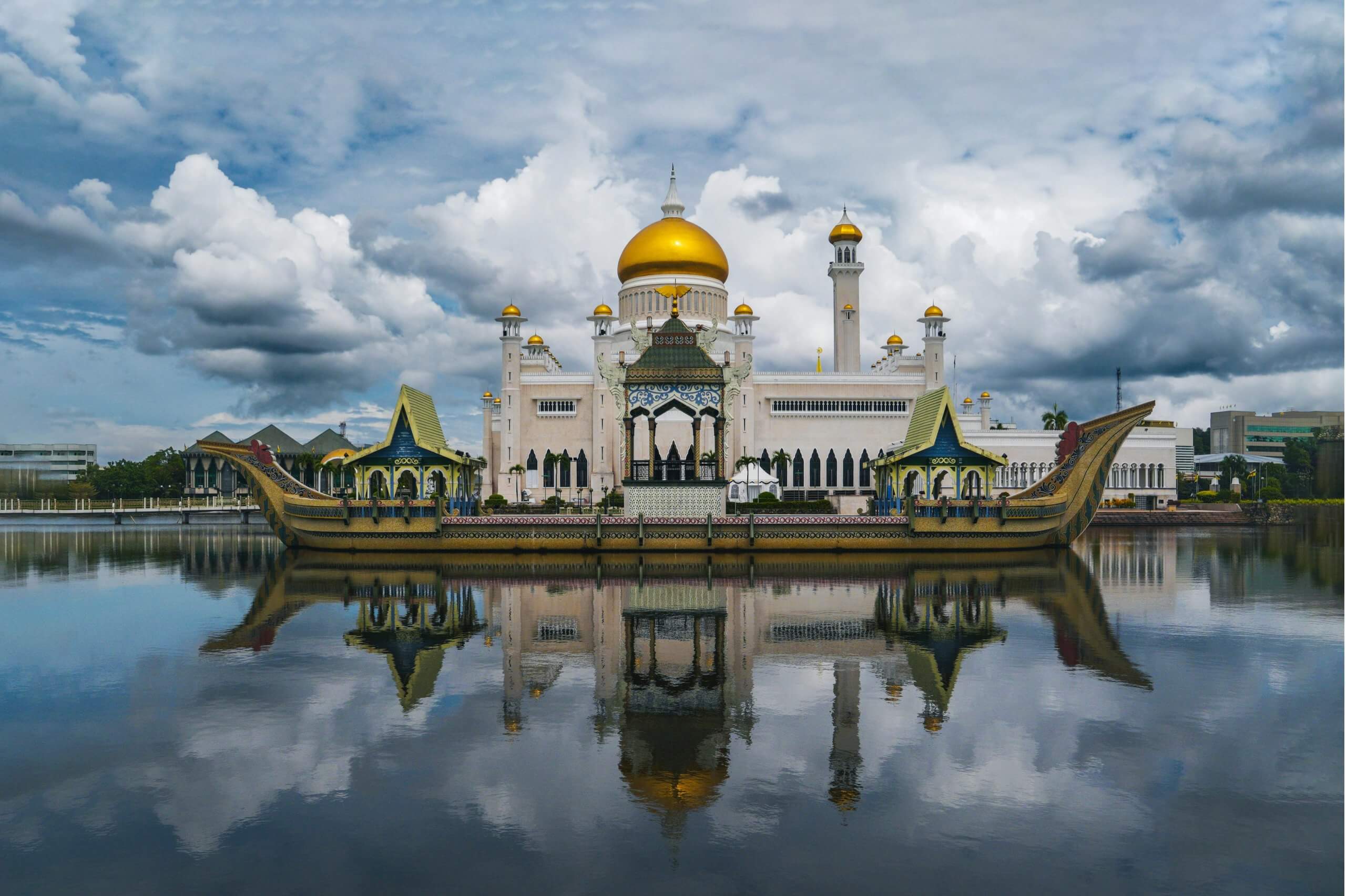
Brunei Darussalam’s local weather is shaped by tropical humidity, rainforest air, coastal winds and a climate that moves less through dramatic seasons than through subtle changes in rain, heat, cloud and light. Brunei sits on the northern coast of Borneo, facing the South China Sea, and its weather reflects its equatorial setting. The country is warm throughout the year, with temperatures usually remaining steady rather than shifting sharply between seasons. Visitors should not expect winter, spring, summer and autumn in the temperate sense.
Instead, Brunei’s climate is defined by heat, humidity, rainfall, cloudy skies, sea breezes and the deep green atmosphere of a tropical country. The first thing many visitors notice is the humidity. The air often feels heavy, especially during the middle of the day, when sunlight reflects off roads, buildings and river surfaces. In Bandar Seri Begawan, the heat can feel softened by shade, indoor air-conditioning and slower movement, but it remains present.
Even short walks can feel warm, particularly for travellers arriving from cooler climates. Rain is a regular part of life in Brunei. Showers can arrive suddenly, sometimes with dark clouds gathering quickly over the city or rainforest. A bright morning may turn into a wet afternoon, and a heavy downpour may clear into softer evening light.
This rhythm means visitors should treat rain not as an interruption, but as part of the country’s daily atmosphere. Brunei does not have a completely dry season in the way some destinations do. Rain can fall in any month, although some periods may be wetter than others. The northeast monsoon generally brings heavier rainfall between the later months of the year and early part of the following year, while other months may still bring frequent showers and thunderstorms.
Because weather can change quickly, local forecasts are useful for planning each day. In the capital, Bandar Seri Begawan, weather affects the pace of sightseeing. Morning is often the most comfortable time for walking, visiting mosques, exploring markets or taking photographs. By midday, the heat and humidity can become tiring, so indoor visits, museums, cafés or rest periods are useful.
Late afternoon and evening often feel more comfortable, especially when the light softens and markets become active. Kampong Ayer, the historic water village, is strongly shaped by weather. Rain changes the sound of the river, the colour of wooden walkways and the movement of boats. During clear weather, the water reflects houses, mosques and sky.
During showers, the village feels more intimate, with roofs, bridges and boats absorbing the rhythm of rain. Visitors should wear practical footwear and be cautious on wet walkways. In rainforest areas such as Ulu Temburong, weather becomes even more important. Rainforest travel is naturally humid, shaded and wet.
Paths may become slippery, rivers may rise, and visibility can change depending on cloud and rain. Visitors should bring light rain protection, quick-drying clothing, insect repellent and shoes suitable for damp conditions. Forecasts should be checked before river journeys or outdoor excursions. The insight shift in Brunei’s weather is that rain is not simply bad weather.
It is part of what keeps the country green, quiet and alive. The rainforest depends on it. The rivers respond to it. The air changes after it.
A visitor who accepts rain as part of the journey will experience Brunei more naturally. Local weather forecasts are especially useful for outdoor activities. Travellers planning boat trips, rainforest visits, walking tours or photography should check daily forecasts in the morning and again later in the day. Tropical weather can change quickly, and a forecast that looks clear early may still include afternoon thunderstorms.
Clothing should be light, breathable and modest. Because Brunei is a Muslim-majority country, visitors should balance tropical comfort with cultural respect. Loose cotton or linen clothing, longer trousers or skirts, breathable tops and a light scarf or cover-up can be practical. For mosque visits, modest dress is essential.
Sun protection is also important. Even when skies are cloudy, UV exposure can be strong. A hat, sunglasses and sunscreen are useful, especially during outdoor sightseeing. Hydration matters as well.
The combination of heat and humidity can make visitors tired more quickly than expected. For travellers, the best approach is to plan flexibly. Outdoor visits are best arranged in the morning or late afternoon, while midday can be reserved for indoor attractions or rest. Carrying a small umbrella or light rain jacket is sensible year-round.
Shoes should handle both warm pavements and sudden rain. Ultimately, Brunei Darussalam’s weather is part of its identity. It softens the landscape, feeds the rainforest, shapes river life and influences the calm rhythm of the capital. Visitors who understand the climate will move through the country more comfortably, appreciating not only the clear days but also the rain-washed streets, humid forest air and quiet glow that follows a tropical shower.
Commonwealth Gateway Closing Perspective Brunei Darussalam’s local weather reflects its tropical Bornean setting: warm, humid, green and frequently touched by rain. Forecasts are useful for planning outdoor activities, especially rainforest visits, river journeys and walking tours. Travellers should prepare for heat, sudden showers and strong humidity while respecting local dress expectations. In Brunei, weather is not only a practical detail; it is part of the country’s atmosphere, landscape and daily rhythm.
For more information, take a look at these local third-party websites: