
Across the coral shores and village communities of Barbados, the rhythms of calypso, cricket commentary and everyday conversation carry the memory of centuries shaped by migration, colonialism, resistance and cultural reinvention. Barbados occupies a distinctive place within Caribbean history. Positioned at the eastern edge of the Caribbean island chain, the island became one of the earliest and most strategically important British colonies in the region. Yet beneath the visible traces of colonial architecture and parliamentary tradition lies a cultural identity shaped fundamentally by African heritage, labour history and generations of social transformation.
Barbados is often internationally recognised for beaches and tourism, but its deeper historical and cultural significance emerges through the resilience and creativity of the people who shaped the island across centuries of profound change. Long before British settlement, Indigenous peoples of the Caribbean, including the Kalinago and earlier Amerindian communities, travelled through and used the island. However, by the time the English arrived in 1627, Barbados was largely uninhabited. The British rapidly established plantation agriculture, initially relying on indentured European labour before transitioning toward a brutal system of African slavery tied to sugar production.
Within decades, Barbados became one of the wealthiest colonies in the British Empire, built upon the forced labour of enslaved Africans working on sugar plantations across the island. The plantation system transformed every aspect of Barbadian society. Sugar estates reshaped the landscape, while colonial elites accumulated immense wealth through transatlantic trade networks. At the same time, enslaved Africans preserved and adapted cultural traditions under conditions of extreme violence and control.
Music, oral storytelling, spiritual practices, language patterns and culinary traditions survived through generations despite systematic attempts to suppress African identity. Much of modern Barbadian culture continues carrying these historical influences today. An important shift in understanding Barbadian history comes from recognising how deeply slavery shaped not only the island itself but also the wider Atlantic world. Barbados became a model for plantation economies later replicated elsewhere in the Caribbean and the Americas.
The wealth generated from Barbadian sugar helped finance imperial expansion and industrial development abroad, while the human cost remained embedded within the lives of enslaved communities on the island. Despite oppressive conditions, resistance persisted throughout colonial rule. Enslaved people resisted through rebellion, sabotage, cultural preservation and everyday acts of survival. One of the most significant uprisings occurred in 1816 during Bussa’s Rebellion, named after Bussa, an enslaved African whose role in the revolt later became a powerful national symbol.
Although the rebellion was suppressed, it intensified debates surrounding slavery across the British Empire and contributed to the eventual abolition of slavery in the 1830s. Even after emancipation, economic inequality and social hierarchy remained deeply entrenched. Plantation ownership and political power continued concentrated among colonial elites for generations, while formerly enslaved communities faced limited opportunities and harsh labour conditions. During the twentieth century, labour movements and political activism became increasingly important in challenging colonial structures and improving workers’ rights.
Figures such as Sir Grantley Adams helped shape the island’s path toward greater political representation and eventual independence. Barbados achieved independence from Britain in 1966, marking a major turning point in national identity. Although many British institutional traditions remained visible — including parliamentary democracy, legal systems and aspects of education — the post-independence period increasingly centred Barbadian cultural expression, regional identity and social development. In 2021, Barbados formally became a republic, replacing the British monarch as head of state while remaining a member of the Commonwealth.
The transition carried symbolic significance for many Barbadians seeking a stronger break from colonial legacy. Language and speech patterns form an important part of cultural identity. English is the official language, but Bajan dialect remains widely spoken in everyday life. The dialect reflects centuries of interaction between West African linguistic influences and English colonial structures, creating rhythms and expressions unique to Barbados.
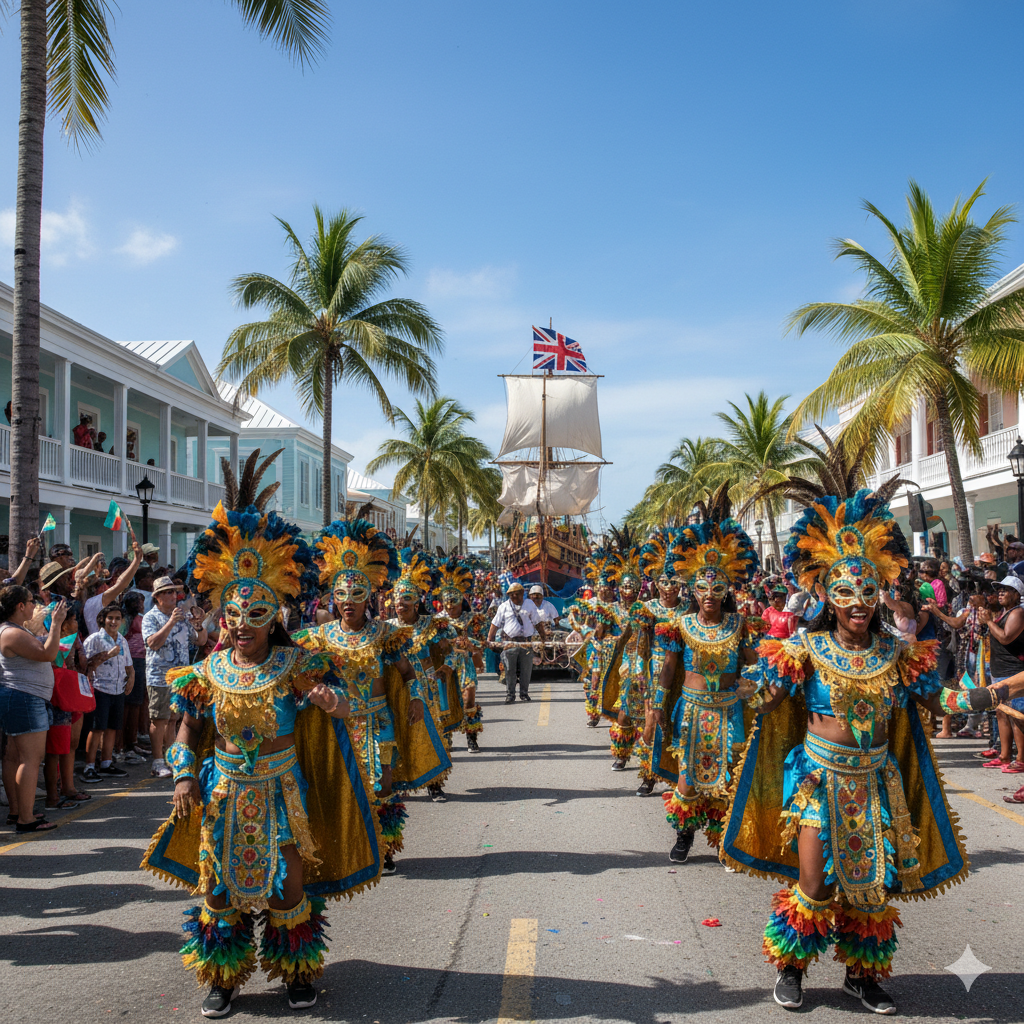
In markets, rum shops and village communities, language frequently becomes a marker of familiarity, humour and local belonging. Music remains deeply woven into Barbadian society. Calypso, soca, reggae and tuk music all contribute to the island’s cultural soundscape. The Crop Over Festival, originally linked to the end of the sugar cane harvest, has evolved into Barbados’ most famous cultural celebration.
During Crop Over, streets fill with costume parades, calypso competitions, music trucks and dancing that continue late into the night. The festival reflects both celebration and historical continuity, transforming plantation-era labour traditions into modern expressions of creativity and national identity. Cricket also occupies a uniquely important position within Barbadian and wider Caribbean culture. Introduced during British colonial rule, the sport gradually became a source of regional pride and social mobility.
Barbados has produced several legendary cricketers, most famously Sir Garfield Sobers, whose achievements elevated both Barbadian and West Indian cricket internationally. Cricket grounds across the island remain gathering places where sport, community and historical memory intersect. Religion continues influencing social life across Barbados, particularly through Christianity and the Anglican tradition established during colonial rule. Churches remain central within many communities, serving not only as places of worship but also as centres for education, charity and social gatherings.
At the same time, modern Barbados increasingly reflects broader Caribbean diversity through changing social attitudes, migration and global cultural exchange. Food culture reveals the blending of African, British and Caribbean influences developed over centuries. Flying fish and cou-cou, the national dish, remain strongly associated with Barbadian identity. Fish cakes, macaroni pie, pudding and souse and rum-based dishes reflect both local ingredients and historical trade connections.
Meals often function as communal experiences tied closely to family gatherings, festivals and neighbourhood life. Barbadian culture today balances tradition with modernity in visible ways. Young artists, musicians and entrepreneurs increasingly shape contemporary cultural expression through digital media, fashion and international collaboration, while older traditions remain deeply respected. Education holds high social importance, contributing to one of the Caribbean’s strongest literacy rates and reinforcing a national emphasis on self-development and civic participation.
For visitors, Barbadian culture often reveals itself most clearly through everyday interactions rather than formal attractions alone. Conversations in rum shops, music drifting from roadside speakers, local cricket matches and neighbourhood gatherings frequently offer deeper insight into island life than resort environments. The island’s cultural identity feels grounded not only in celebration but also in historical awareness and community continuity. One of Barbados’ most distinctive cultural qualities is the confidence with which it embraces both Caribbean identity and its own particular historical experience.
The island does not erase its colonial past, yet it increasingly reframes history through Barbadian perspectives shaped by survival, adaptation and self-definition. Ultimately, Barbados is a country where culture and history remain inseparable from the legacy of sugar plantations, Atlantic trade and African-Caribbean resilience. Beneath the coral coastlines and tropical climate lies a society continually shaped by memory, music, language and an enduring commitment to national identity. Commonwealth Gateway Closing Perspective Barbados reflects a nation where colonial history, African heritage and modern Caribbean identity continue intersecting across everyday life.
From plantation-era memory and emancipation struggles to Crop Over celebrations and cricket traditions, the island reveals how culture can evolve through resilience and reinvention. Understanding Barbados means recognising the depth of history that exists beyond tourism imagery and appreciating the enduring cultural confidence that defines the island today.
For more information, take a look at these local third-party websites: