
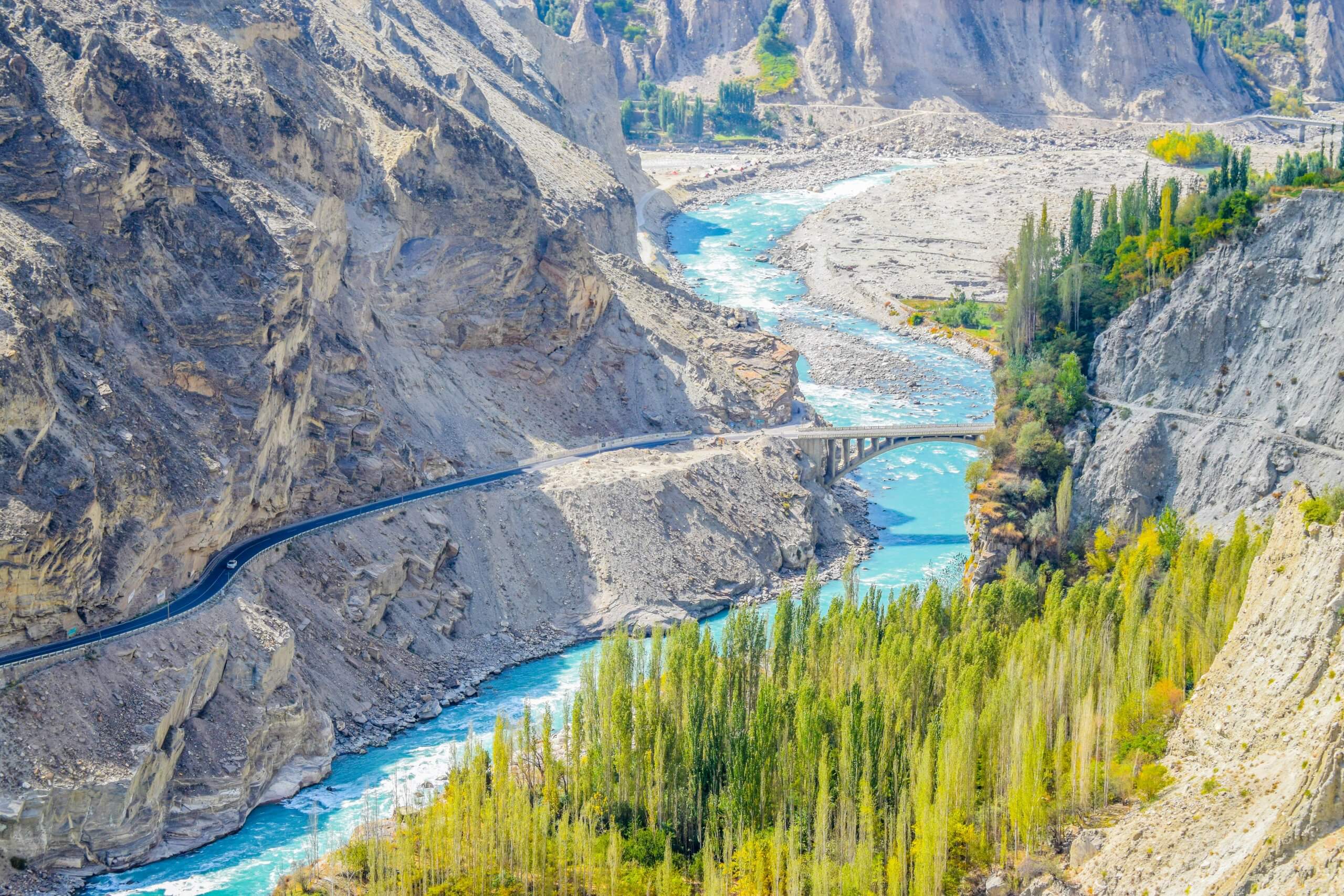
The challenges facing Pakistan today are as diverse as its landscapes, stretching from rapidly expanding cities and agricultural plains to mountain regions shaped by environmental change and social transformation. Pakistan is a nation of considerable cultural, geographic and economic diversity, and many of its social and environmental issues reflect the complexity of balancing development, population growth and sustainability. Home to one of the world’s largest populations, the country continues to experience significant urbanisation, economic change and technological advancement. Alongside these developments, communities, governments, businesses and civil society organisations are working to address challenges that influence daily life and long-term national development.
One of the most significant social issues is the rapid growth of urban populations. Cities such as Karachi, Lahore and Islamabad continue to attract people seeking employment, education and improved economic opportunities. Urban expansion has contributed to economic growth and innovation, yet it has also increased pressure on housing, transportation systems, public services and infrastructure. Managing the needs of growing urban populations remains a key priority for policymakers and local authorities.
Education continues to play an important role in Pakistan’s social development. Significant progress has been made in expanding access to schooling, particularly in many urban areas. However, challenges remain in ensuring consistent educational opportunities across different regions and communities. Geographic distance, economic circumstances and infrastructure limitations can influence educational access, particularly in some rural and remote areas.
Educational initiatives led by government agencies, local organisations and international partners continue to focus on improving opportunities for future generations. Healthcare access represents another important area of social development. Major cities generally offer broader access to medical facilities and specialised services, while rural regions may face greater challenges related to distance and infrastructure. Efforts to strengthen healthcare systems and improve public health outcomes continue to be an important component of national development planning.
Economic inequality is a topic frequently discussed within Pakistan. While some regions have benefited from industrial growth, technology development and expanding services sectors, economic opportunities are not distributed evenly across the country. Rural communities, agricultural workers and residents of geographically isolated areas may face different challenges from those experienced in major cities. Addressing these disparities remains an important objective for development programmes and public policy initiatives.
Environmental issues have become increasingly prominent in national discussions. Pakistan’s diverse geography includes mountain ranges, river systems, deserts, forests and coastal areas, each facing distinct environmental pressures. Climate change is widely recognised as a significant concern, particularly because of its potential effects on agriculture, water resources and vulnerable communities. The country’s relationship with water is especially important.
The Indus River and its tributaries support agriculture, industry and urban populations across much of the country. Water management therefore plays a crucial role in environmental planning and economic stability. Variations in rainfall patterns, population growth and increasing demand for resources have intensified discussions about sustainable water use and conservation. Flooding has emerged as one of Pakistan’s most significant environmental challenges.
Seasonal monsoon rains have long influenced life across the region, but extreme weather events have highlighted the vulnerability of communities, infrastructure and agricultural systems. Recovery and resilience efforts frequently involve cooperation between government agencies, local communities and international organisations. Air quality is another issue that affects many urban areas. Population growth, transportation demands and industrial activity can contribute to pollution levels in some cities.
Various initiatives aimed at improving environmental management, expanding green spaces and promoting cleaner technologies are increasingly part of public policy discussions. Deforestation and habitat loss also affect certain regions. Forests provide important ecological functions, including biodiversity protection, watershed management and climate regulation. Conservation programmes seek to protect natural habitats while supporting the needs of local communities that depend upon environmental resources for their livelihoods.
An important insight regarding Pakistan’s environmental challenges is that many are closely connected to broader social and economic realities. Issues such as water management, agricultural sustainability and urban development cannot be addressed in isolation. Instead, they reflect complex relationships between people, resources and economic growth. Understanding these connections provides a deeper appreciation of both the challenges and opportunities facing the country.
At the same time, Pakistan possesses significant environmental assets. National parks, mountain ecosystems, wetlands and coastal habitats support rich biodiversity and provide opportunities for conservation. Community-led environmental initiatives, youth engagement programmes and growing public awareness are contributing to efforts aimed at protecting these resources for future generations. Social change is also being influenced by technology, education and increased connectivity.
Young people, who represent a substantial proportion of the population, are playing important roles in entrepreneurship, innovation and civic engagement. Their participation in discussions surrounding sustainability, economic opportunity and social development continues to shape the country’s future direction. Commonwealth Gateway Closing Perspective Pakistan’s social and environmental issues reflect the realities of a country undergoing rapid transformation while managing the opportunities and challenges that accompany growth. From urban development and education to climate resilience and environmental conservation, these issues highlight the interconnected nature of people, resources and progress.
Understanding them provides valuable insight into the forces shaping contemporary Pakistan and its future aspirations.
For more information, take a look at these local third-party websites: