
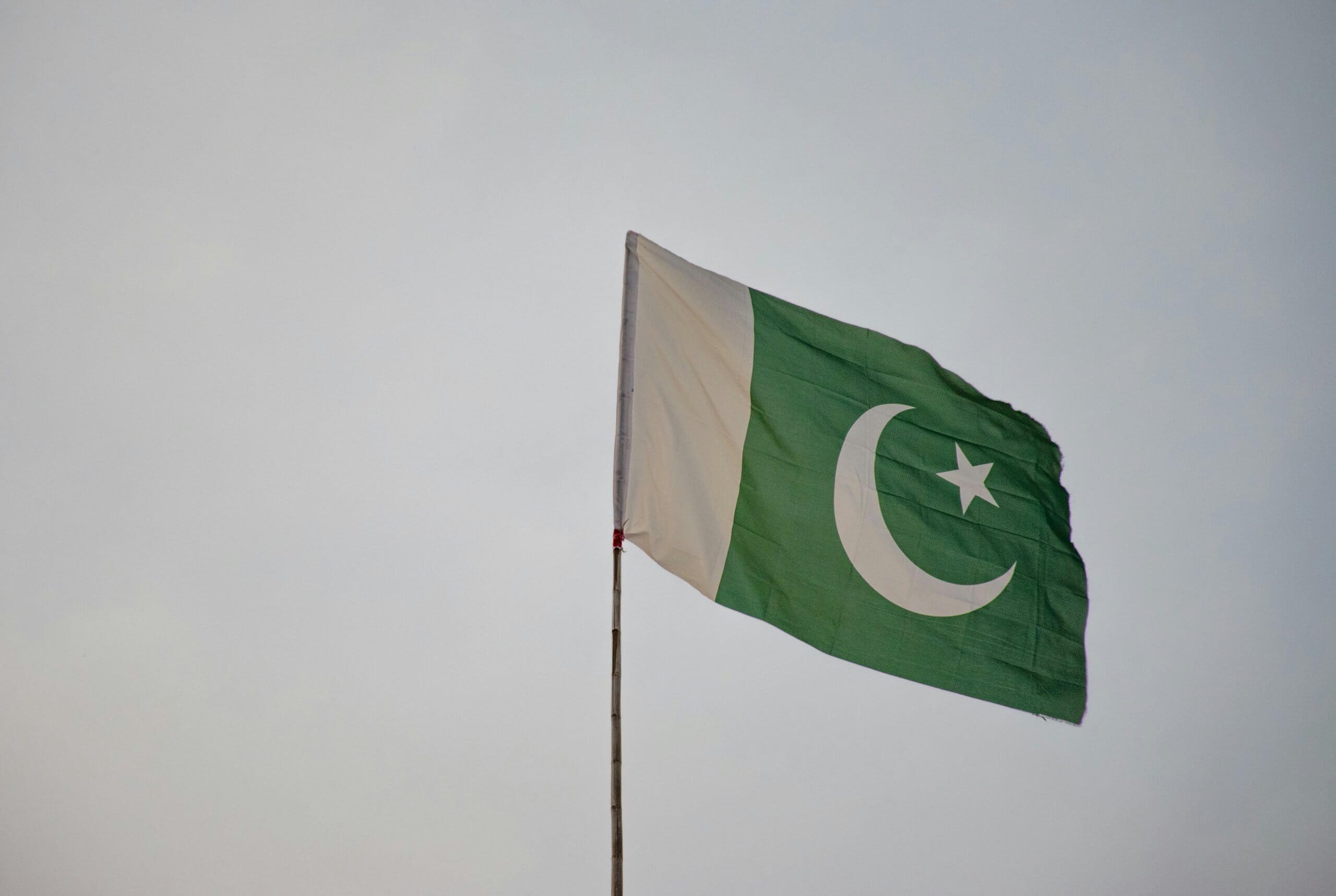
Understanding Pakistan’s legal requirements before travelling helps visitors navigate the country confidently while respecting local laws, customs and administrative procedures. Pakistan welcomes visitors for tourism, business, education and cultural exchange, and travellers are generally expected to comply with national laws, immigration regulations and local customs throughout their stay. As with any international destination, legal requirements may change over time, making it important to verify the latest information through official government sources before travelling. For most international visitors, entry begins with obtaining the appropriate travel authorisation.
Pakistan has expanded its digital visa systems in recent years, making the application process more accessible for many nationalities. Depending on citizenship, travellers may be eligible for an electronic visa or other visa arrangements. Requirements vary according to nationality, purpose of travel and intended length of stay. Visitors should ensure that passports remain valid for the required period and that all travel documentation is completed accurately before departure.
Upon arrival, travellers may be required to present supporting documentation such as accommodation details, return or onward travel information and evidence of sufficient funds for their visit. Immigration authorities retain discretion regarding entry decisions, and compliance with official procedures is essential. Throughout Pakistan, visitors are required to carry valid identification. Passports should be stored securely, and travellers may find it useful to carry a copy of important travel documents while keeping originals in a safe location.
Certain regions may occasionally require additional registration or documentation, particularly where security procedures apply. Pakistan’s legal system combines constitutional law, statutory legislation and other legal frameworks that apply across the country. Visitors are expected to respect national laws regardless of cultural background or personal customs. Behaviour that may be acceptable elsewhere could be subject to different legal or social expectations within Pakistan.
Respect for religious and cultural practices is particularly important. Pakistan is an Islamic republic, and many aspects of public life are influenced by religious and cultural traditions. Visitors are encouraged to dress modestly, particularly when visiting religious sites, rural communities or conservative areas. Behaviour that demonstrates respect for local customs generally contributes positively to interactions with communities and authorities.
Photography is usually permitted in public areas; however, restrictions may apply around military facilities, government buildings, border regions and certain security-sensitive locations. Travellers should seek permission before photographing individuals, religious activities or community events, particularly in rural areas where cultural expectations may differ. Alcohol regulations vary and are subject to legal restrictions. Visitors should familiarise themselves with current regulations and avoid assuming that practices common in other countries apply within Pakistan.
Similarly, laws relating to controlled substances are strictly enforced, and penalties for drug-related offences can be severe. Driving in Pakistan generally requires a valid driving licence and, depending on nationality, an international driving permit may be advisable or necessary. Traffic conditions vary considerably between urban and rural regions, and visitors choosing to drive should ensure that they understand local road regulations and insurance requirements. The use of drones may be subject to specific regulations and permissions.
Travellers intending to operate drones for photography or recreational purposes should consult official authorities regarding current requirements before bringing such equipment into the country. An important insight for visitors is that legal compliance in Pakistan extends beyond formal regulations. Understanding local customs, community expectations and cultural sensitivities often helps travellers avoid misunderstandings while fostering respectful interactions. Legal awareness and cultural awareness frequently complement one another throughout the travel experience.
Travellers should also remain informed about any regional travel advisories, restricted areas or permit requirements that may apply to specific destinations. Certain border regions and sensitive locations may require special authorisation or may be subject to access limitations. Official government guidance remains the most reliable source of information regarding such requirements. Business travellers, students and individuals undertaking long-term stays may face additional administrative obligations, including registration procedures, permit requirements or institution-specific documentation.
These requirements vary according to the purpose and duration of the visit. Visitors should retain copies of important documents, maintain awareness of visa conditions and respect departure deadlines associated with their authorised stay. Overstaying visas or violating immigration conditions may result in penalties or future travel restrictions. Commonwealth Gateway Closing Perspective Pakistan’s legal requirements are designed to support orderly travel, public safety and respect for national laws and cultural traditions.
Visitors who prepare thoroughly, follow official guidance and approach local customs with sensitivity are well positioned to enjoy a rewarding and respectful experience throughout the country.
For more information, take a look at these local third-party websites: