
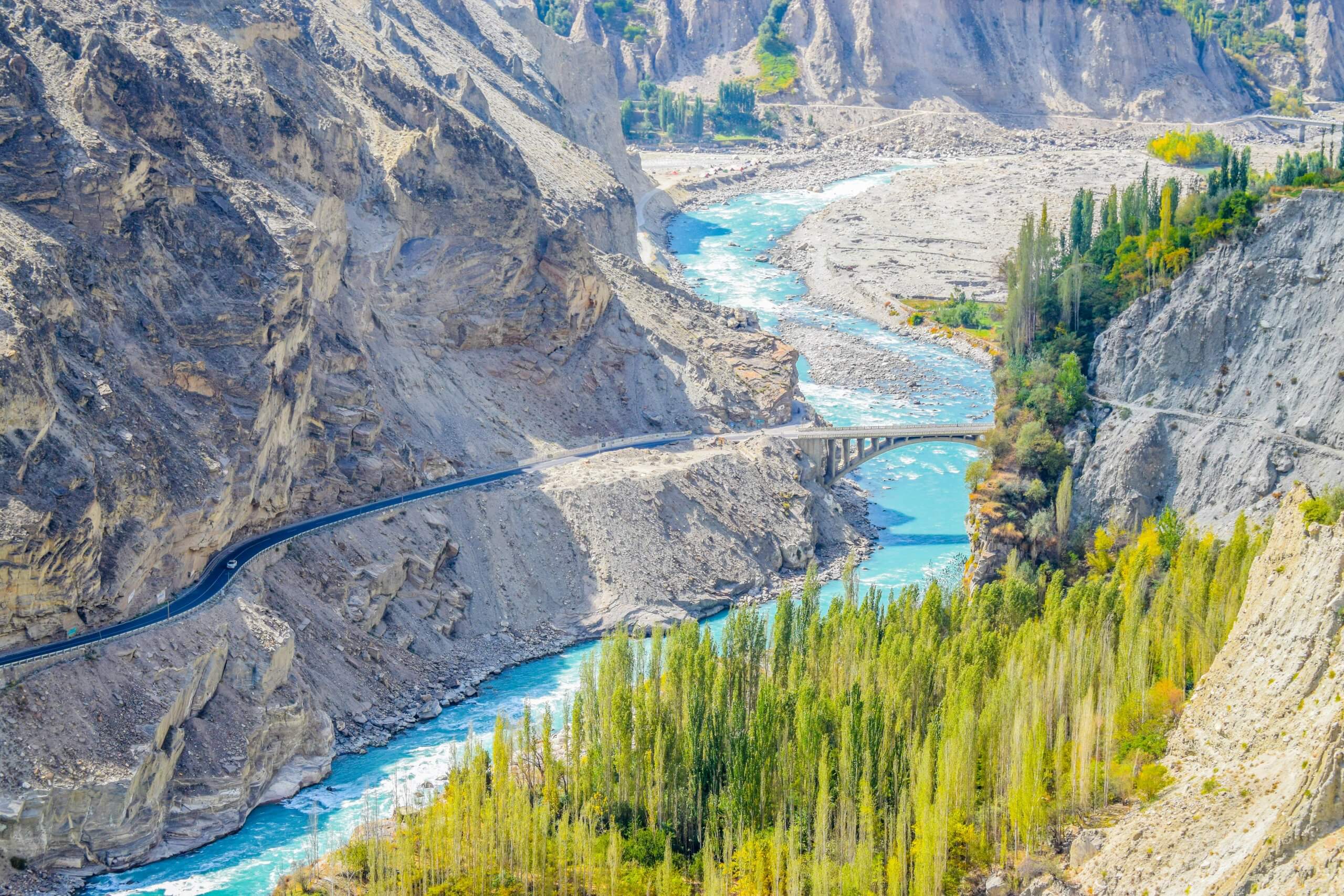
A journey to Pakistan often begins with careful planning, but it quickly unfolds into an experience shaped by diverse landscapes, historic cities and encounters with communities whose traditions stretch back centuries. Pakistan occupies a strategic position at the crossroads of South Asia, Central Asia and the Middle East, making it accessible through a growing network of international air connections and regional transport links. Visitors arrive for many reasons, including cultural exploration, mountain trekking, heritage tourism, business travel and academic exchange. Regardless of the purpose, understanding how to visit Pakistan can help travellers prepare for a smoother and more rewarding experience.
For most international travellers, the first step involves confirming entry requirements. Pakistan operates an online visa system that has simplified access for many nationalities. Depending on citizenship and the purpose of travel, visitors may be eligible for electronic visas or other visa categories. Before making travel arrangements, it is advisable to consult official government resources to confirm the latest requirements, application procedures and documentation needs.
Air travel remains the primary means of reaching Pakistan from abroad. Major international gateways include Islamabad, Karachi and Lahore. These cities receive flights from destinations across Asia, the Middle East, Europe and beyond. Upon arrival, visitors typically complete immigration procedures before continuing to their chosen destinations.
Choosing the right time to visit is an important consideration. Pakistan’s geography creates substantial climate variation across different regions. Travellers interested in exploring major cities often prefer the cooler months between autumn and spring, when temperatures are generally more comfortable. Those planning to visit northern mountain regions frequently choose late spring, summer or early autumn, when roads, trekking routes and tourism facilities are most accessible.
Accommodation options are available across a wide range of budgets and travel styles. International-standard hotels operate in major cities, while guesthouses, boutique hotels and family-run lodgings provide alternatives in smaller towns and tourism regions. In destinations such as Hunza, Skardu and Chitral, locally managed guesthouses often provide opportunities to engage more directly with local communities and cultures. Transportation within Pakistan varies according to destination and distance.
Domestic flights connect major cities and remote northern regions, while extensive road and rail networks support travel throughout much of the country. Buses, private transport services and ride-hailing applications are commonly used in urban areas. Travellers planning to visit mountainous regions should allow flexibility in their itineraries, as weather and road conditions can occasionally affect travel schedules. One of the country’s greatest attractions is its diversity.
Visitors may begin by exploring Lahore’s Mughal architecture and historic districts before travelling north to the valleys of Gilgit-Baltistan. Others may combine visits to archaeological sites such as Mohenjo-daro with experiences in modern urban centres. The country’s varied attractions encourage itineraries that combine history, culture, nature and contemporary life. Respect for local customs contributes significantly to positive travel experiences.
Pakistan is a culturally diverse society with strong traditions of hospitality and community. Modest dress, particularly when visiting religious sites and rural areas, is generally appreciated. Travellers who demonstrate cultural sensitivity often find that local interactions become more meaningful and rewarding. Food forms another important aspect of visiting Pakistan.
Regional cuisines vary across the country, offering opportunities to experience traditional dishes, local ingredients and culinary traditions. Exploring markets, family-run restaurants and community dining spaces can provide valuable insight into everyday life while introducing travellers to the country’s rich food culture. An important insight for visitors is that Pakistan rewards curiosity and flexibility. While famous attractions attract attention, many memorable experiences emerge through unplanned encounters, conversations with local residents and time spent exploring beyond the most familiar destinations.
The country’s appeal often lies as much in its people and atmosphere as in its landmarks. Technology and connectivity generally support travel planning and navigation. Mobile networks, digital payment services and online booking platforms are increasingly available, particularly in urban centres. Nevertheless, travellers visiting remote regions may wish to prepare for occasional connectivity limitations by carrying printed information and maintaining flexible arrangements.
Responsible travel is increasingly encouraged throughout Pakistan. Visitors can support local communities by choosing locally owned accommodation, purchasing regional products and respecting environmental and cultural heritage sites. Such practices contribute positively to both visitor experiences and destination sustainability. Commonwealth Gateway Closing Perspective Visiting Pakistan offers opportunities to experience a country where ancient heritage, dramatic landscapes and contemporary life intersect.
With thoughtful preparation, cultural awareness and a willingness to explore beyond familiar routes, travellers can discover a destination whose diversity and hospitality continue to leave lasting impressions on those who visit.
For more information, take a look at these local third-party websites: