
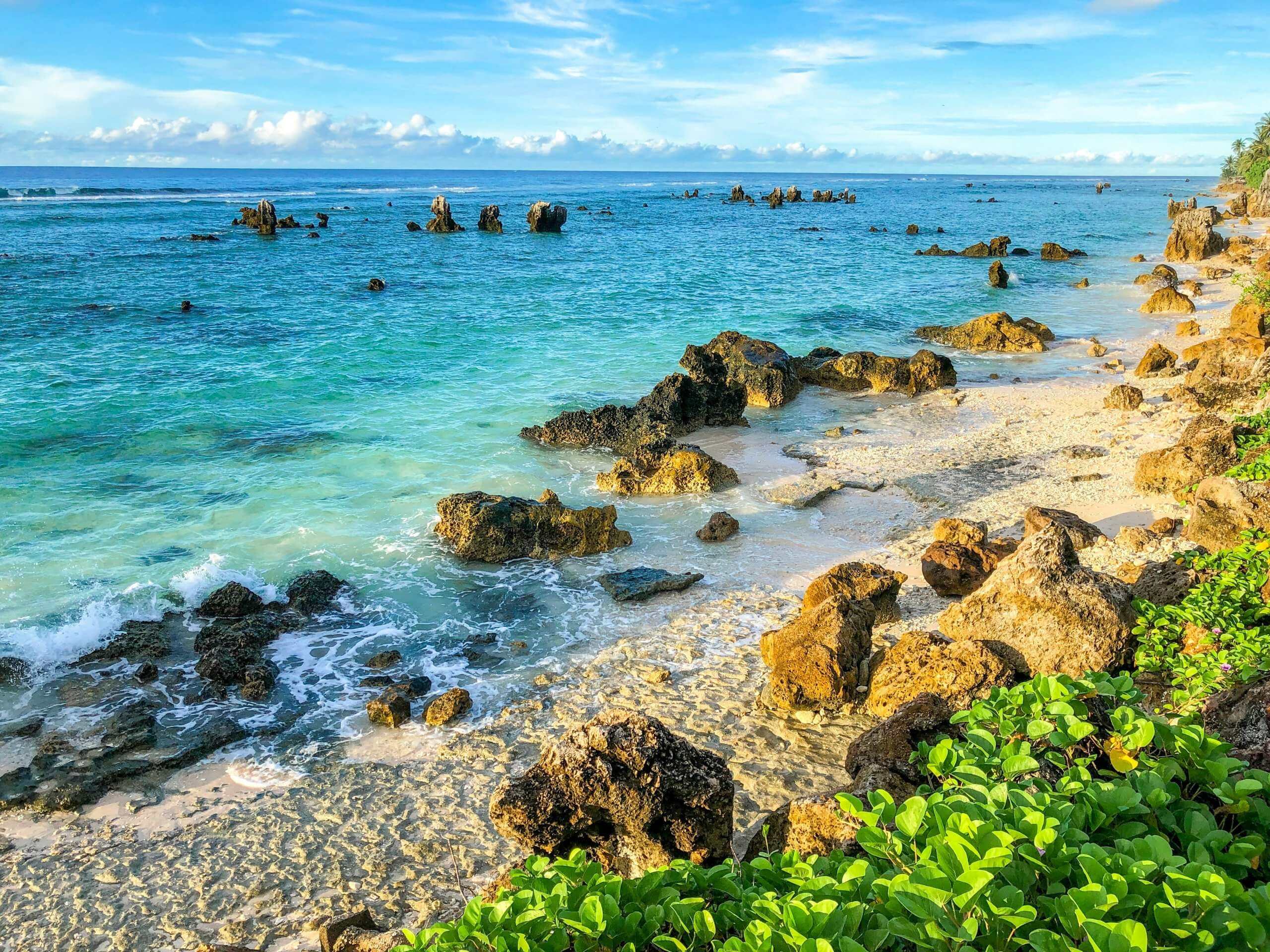
Weather in Nauru is shaped by its location in the central Pacific Ocean, where tropical conditions prevail throughout the year. Unlike countries that experience dramatic seasonal variations, Nauru enjoys a relatively consistent climate characterised by warm temperatures, high humidity and periodic rainfall. The island’s small size and surrounding ocean create weather patterns that are closely linked to the Pacific environment, influencing daily life, agriculture, marine activities and travel experiences. Understanding Nauru’s climate provides valuable insight into how nature shapes one of the world’s smallest island nations.
Nauru lies just south of the Equator, placing it within a tropical climatic zone. Temperatures remain warm throughout the year, with relatively little variation between seasons. Average daytime temperatures typically range between 26°C and 32°C, while evenings remain pleasantly warm. The surrounding Pacific Ocean moderates temperature extremes, preventing the intense seasonal fluctuations experienced in continental regions.
One of the most distinctive features of Nauru’s weather is its consistency. Visitors arriving at different times of the year will generally encounter similar temperature ranges and tropical conditions. This predictability contributes to the island’s year-round accessibility and supports outdoor activities throughout most months. Rainfall patterns create the primary seasonal distinction.
Nauru experiences a tropical wet-and-dry climate, although the differences between seasons are less pronounced than in many larger tropical countries. Rainfall can occur at any time of year, often in the form of short but intense tropical showers. These downpours are frequently followed by sunshine, creating a dynamic and refreshing weather pattern. The wetter season generally extends from November to February, when rainfall becomes more frequent and humidity levels increase.
During these months, thunderstorms may occur, particularly in the afternoon or evening. Tropical showers contribute to the replenishment of water supplies and support vegetation growth across the island. While rainfall may occasionally disrupt outdoor plans, prolonged periods of continuous rain are relatively uncommon. An important aspect of Nauru’s climate is the influence of regional weather systems associated with the Pacific Ocean.
Climate patterns such as El Niño and La Niña can affect rainfall levels, occasionally leading to periods of drought or above-average precipitation. These variations can influence water availability, agriculture and environmental conditions, highlighting the island’s close relationship with broader oceanic processes. The drier period generally occurs between March and October, making these months the preferred time for many visitors. Rainfall becomes less frequent, humidity is often slightly lower and outdoor conditions are generally more comfortable.
The months from May to September are particularly popular because they combine warm temperatures with relatively stable weather. The ocean plays a central role in shaping Nauru’s climate. Sea breezes provide natural cooling and help moderate tropical heat. Coastal areas benefit from these breezes throughout much of the year, making outdoor activities more enjoyable despite high temperatures.
The constant presence of the ocean contributes to the island’s relaxed atmosphere and distinctive environmental character. Humidity remains relatively high throughout the year, a common characteristic of tropical island climates. Visitors unfamiliar with humid environments may require time to adjust, particularly during periods of elevated temperatures. Staying hydrated and taking regular breaks during outdoor activities can help ensure comfort and wellbeing.
The tropical climate supports lush coastal vegetation, coconut palms and other plant species adapted to warm and humid conditions. Rainfall patterns influence the appearance of the landscape, with wetter periods bringing increased greenery and renewed plant growth. These seasonal changes, though subtle compared with those in temperate climates, contribute to the island’s natural beauty. Marine conditions are also influenced by weather patterns.
Calm seas are common during much of the year, supporting fishing, boating and coastal recreation. However, changing weather systems can occasionally create rougher conditions, making local knowledge valuable for those participating in water-based activities. One of the advantages of visiting Nauru is the absence of a traditional winter season. Warm temperatures persist throughout the year, allowing visitors to enjoy outdoor exploration regardless of the month.
Beaches, coastal roads and community events remain accessible during all seasons, making the island a year-round destination. For travellers seeking the most comfortable conditions, the period from May to October is generally regarded as the best time to visit. These months tend to offer lower rainfall levels, pleasant temperatures and favourable conditions for sightseeing and outdoor activities. The slightly drier atmosphere can make exploration more comfortable, particularly for visitors unaccustomed to tropical humidity.
The wetter months also have their appeal. Rain showers often refresh the landscape and create dramatic tropical skies. Fewer visitors during certain periods can contribute to a quieter atmosphere, allowing travellers to experience the island at a slower pace. For those interested in observing tropical weather patterns and experiencing authentic island life, the rainy season can be equally rewarding.
Climate change has become an increasingly important topic for Nauru and other Pacific island nations. Rising sea levels, changing rainfall patterns and broader environmental shifts present long-term challenges that influence national planning and development. Understanding weather and climate is therefore not only relevant to tourism but also to discussions about sustainability and resilience. Another important insight is that weather in Nauru is closely connected to community life.
Rainfall influences water management, while ocean conditions affect fishing activities and coastal recreation. Seasonal patterns shape everyday experiences in ways that may be less visible in larger countries but remain highly significant on a small island. Visitors are encouraged to prepare for tropical conditions regardless of the season. Lightweight clothing, sun protection and adequate hydration contribute significantly to comfort.
Rain showers can occur unexpectedly, making a light waterproof layer useful even during drier months. The island’s climate complements its tranquil atmosphere. Warm temperatures, ocean breezes and abundant sunshine create conditions well suited to relaxed exploration and outdoor activities. Whether walking along the coastal road, observing marine life or participating in community events, visitors experience a climate that is integral to Nauru’s identity.
Commonwealth Gateway Closing Perspective Nauru’s weather reflects the rhythms of life in the tropical Pacific, where warm temperatures, ocean breezes and seasonal rainfall shape both landscapes and daily experiences. While the island can be visited throughout the year, the drier months from May to October generally provide the most comfortable conditions for exploration. Regardless of the season, Nauru’s climate offers visitors an authentic experience of Pacific island life, defined by consistency, natural beauty and a close relationship with the surrounding ocean.
For more information, take a look at these local third-party websites: