
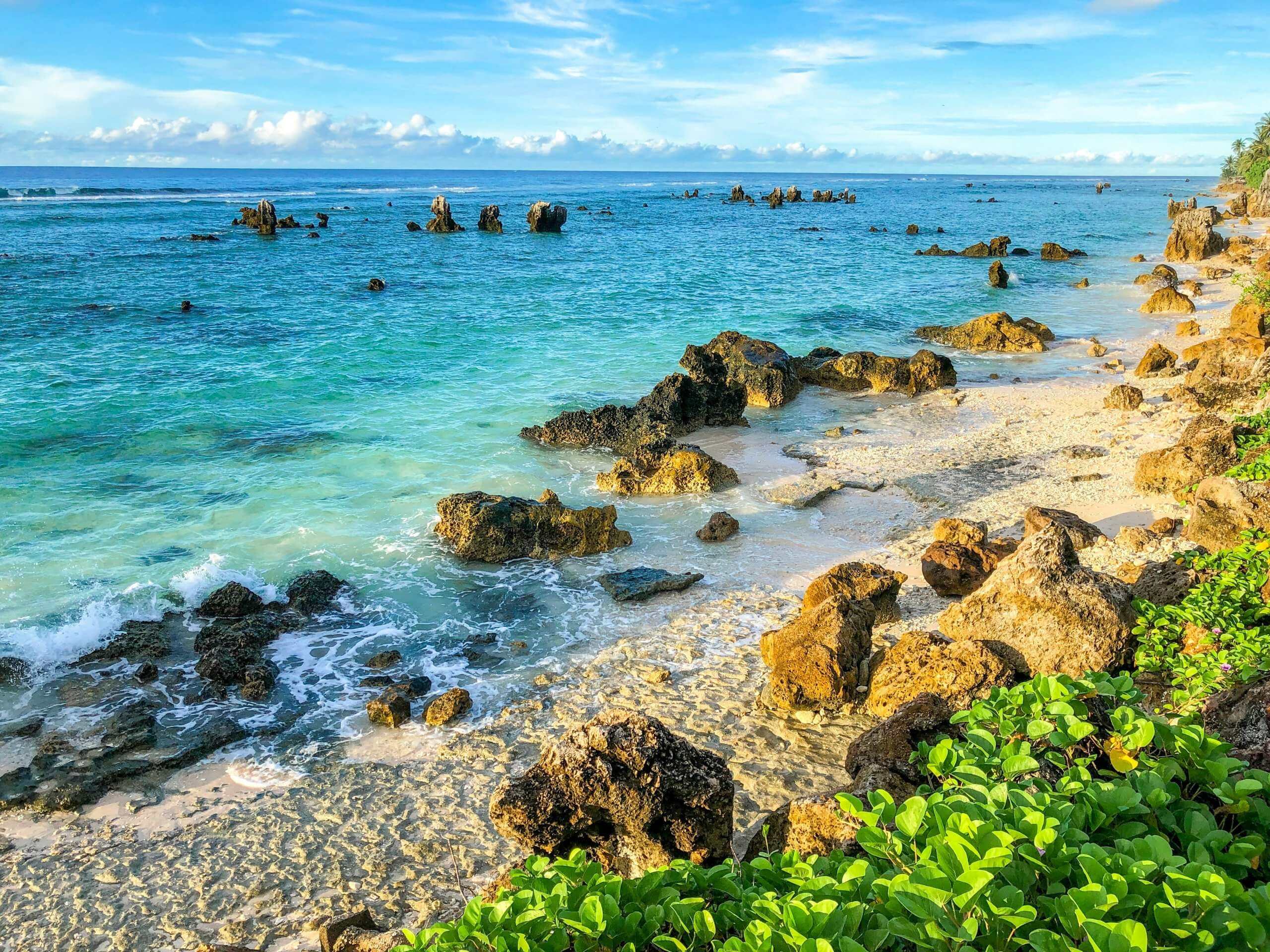
Visiting Nauru is unlike planning a journey to most destinations. There are no extensive resort zones, large tourism industries or frequent international transport connections. Instead, travel to Nauru requires curiosity, preparation and a willingness to explore one of the world’s least-visited sovereign nations. For those who make the journey, the reward is an experience shaped by authenticity, community interaction and the opportunity to discover a Pacific island nation that remains largely untouched by mass tourism.
The first step in visiting Nauru is understanding its location. Situated in the central Pacific Ocean, just south of the Equator, Nauru is one of the world’s smallest countries. Its geographic isolation contributes significantly to both its appeal and the practical considerations involved in travel. Reaching the island requires advance planning, particularly with regard to flights and entry requirements.
The primary gateway to Nauru is Nauru International Airport. The airport serves as the country’s sole international air connection and acts as a vital link between the island and the wider Pacific region. Unlike major international hubs with numerous daily departures, flight options to Nauru are more limited and generally require careful scheduling. Travellers are therefore encouraged to begin planning well in advance of their intended departure dates.
Most visitors arrive via Nauru Airlines, the national carrier. The airline operates routes connecting Nauru with several destinations across the Pacific region, including Brisbane in Australia and other island nations. Because flight schedules may vary and seats can be limited, early booking is highly recommended. Monitoring official airline information remains important throughout the planning process.
Before travelling, visitors should review visa and immigration requirements carefully. Entry regulations vary according to nationality and purpose of travel. In many cases, visitors are required to obtain approval or appropriate documentation before arrival. As policies may change over time, official government sources should always be consulted for the most current information.
An important insight into visiting Nauru is that preparation often determines the quality of the experience. Because the island’s tourism infrastructure is relatively modest, travellers benefit greatly from arranging accommodation, transportation and logistical details before departure. Unlike destinations where plans can easily be adjusted upon arrival, flexibility may be more limited due to the small scale of available services. Accommodation is available through hotels and guesthouses that cater to tourists, government visitors, business travellers and regional delegates.
While options are fewer than in larger destinations, they generally provide the essential services needed for a comfortable stay. Advance reservations are strongly recommended, particularly during periods of increased travel demand. One of the advantages of visiting Nauru is the simplicity of movement once on the island. The Island Ring Road circles much of the coastline, and the entire country can be explored relatively easily.
Distances are short, and major attractions are generally accessible within a brief drive. Visitors often rent vehicles, use local transportation or arrange transport through accommodation providers. The best time to visit depends primarily on personal preferences regarding weather. Nauru experiences a tropical climate with warm temperatures throughout the year.
Rainfall patterns vary seasonally, but there is no distinct winter season. Visitors seeking drier conditions may prefer periods outside the wetter months, while others appreciate the lush scenery that follows rainfall. Health preparation is an important aspect of travel planning. Visitors should consult healthcare providers regarding vaccinations, medical advice and personal health needs before departure.
Travel insurance is highly recommended, particularly because specialised medical services may require evacuation or treatment in another country. Unlike destinations centred on large-scale tourism attractions, Nauru rewards travellers who value cultural engagement and exploration. Attractions include Anibare Bay, Buada Lagoon, Command Ridge and sites associated with the island’s phosphate mining history. Equally important are opportunities to interact with local residents and gain insight into everyday life on the island.
Respect for local customs and community values enhances the travel experience. Nauru’s population is relatively small, and visitors often encounter residents repeatedly during their stay. Courtesy, cultural sensitivity and genuine interest in local perspectives contribute to positive interactions and meaningful exchanges. The island’s history forms an important part of many visits.
Understanding the impact of phosphate mining, the country’s journey to independence and contemporary environmental challenges provides context that enriches exploration. Visitors often find that historical knowledge transforms landscapes and landmarks into deeper learning experiences. Currency arrangements are straightforward because Nauru uses the Australian Dollar. Travellers arriving from Australia may find this particularly convenient.
However, visitors should plan financial arrangements carefully, as banking and payment services may be more limited than in larger destinations. Carrying sufficient funds and understanding available payment options is advisable. Communication services are available, although connectivity may differ from what travellers experience in major urban centres elsewhere in the world. Internet access is generally available through accommodation providers and telecommunications services, allowing visitors to remain connected while exploring the island.
Another important consideration is environmental awareness. Nauru faces unique challenges related to land rehabilitation, climate change and resource management. Visitors are encouraged to travel responsibly, minimise waste and respect local efforts aimed at environmental sustainability. Such practices support broader community goals and contribute positively to the visitor experience.
Photography opportunities are plentiful despite the island’s small size. Coastal scenery, tropical landscapes, historical sites and community life all provide compelling subjects. Visitors should always seek permission before photographing individuals and remain respectful of cultural sensitivities. Regional travel can also be combined with a visit to Nauru.
Some travellers include the island as part of broader Pacific itineraries, exploring neighbouring countries and territories before or after their stay. Such journeys provide additional context for understanding the diversity of Pacific cultures and environments. One of the most rewarding aspects of visiting Nauru is the pace of travel. Without large crowds or extensive tourism infrastructure, visitors often have time to engage more deeply with places and people.
Conversations, community encounters and moments of reflection frequently become highlights of the experience. Another notable characteristic is the sense of rarity associated with the destination. Relatively few international travellers visit Nauru each year, and many residents remain curious about visitors and their experiences. This creates opportunities for authentic interactions and personal connections that are increasingly uncommon in heavily visited destinations.
Ultimately, visiting Nauru is less about ticking off famous landmarks and more about engaging with a unique island society. The journey requires planning and flexibility, but it offers perspectives that are difficult to find elsewhere. Through its history, landscapes and people, Nauru provides an experience that is both distinctive and memorable. Commonwealth Gateway Closing Perspective Visiting Nauru requires thoughtful preparation, but the rewards extend far beyond conventional tourism experiences.
Through careful planning, respectful engagement and curiosity about local life, travellers gain access to one of the Pacific’s most distinctive destinations. The island’s small scale, strong community identity and unique history create opportunities for meaningful exploration that leave lasting impressions long after the journey has ended.
For more information, take a look at these local third-party websites: