
Brunei Darussalam’s connection with locals is shaped by courtesy, calm conversation, religious respect, family-centred life and a social rhythm that often reveals itself slowly rather than loudly. To connect with people in Brunei, visitors must first understand the country’s quiet pace. Brunei is not a place where social interaction is usually loud, hurried or overly informal. The atmosphere is measured.
In Bandar Seri Begawan, people move through shopping areas, mosques, offices, schools, markets and neighbourhoods with a sense of order and restraint. Greetings are polite, voices are generally gentle, and public behaviour often reflects the values of respect, modesty and social harmony. This does not mean Bruneians are distant. Rather, connection often begins with patience.
A visitor who smiles, greets respectfully and shows awareness of local customs may find conversations opening naturally. The warmth is often understated. It may appear in a helpful direction, a quiet recommendation, a small explanation about food, or a polite exchange at a market stall. In Brunei, friendliness is not always dramatic; it is often calm, sincere and careful.
Language is one of the easiest ways to begin connecting. Malay is the official language, and even simple greetings such as “Selamat pagi” for good morning or “Terima kasih” for thank you can be appreciated. English is also widely understood, especially in urban areas, government settings, hotels, schools and among younger people. This makes communication relatively easy for many visitors, but using a few Malay phrases shows respect for local identity.
Religion is central to daily life in Brunei. Islam strongly shapes public values, social conduct, dress expectations and community life. Visitors who understand this will find it easier to connect respectfully. Modest clothing is important, especially near mosques, government buildings, villages and family areas.
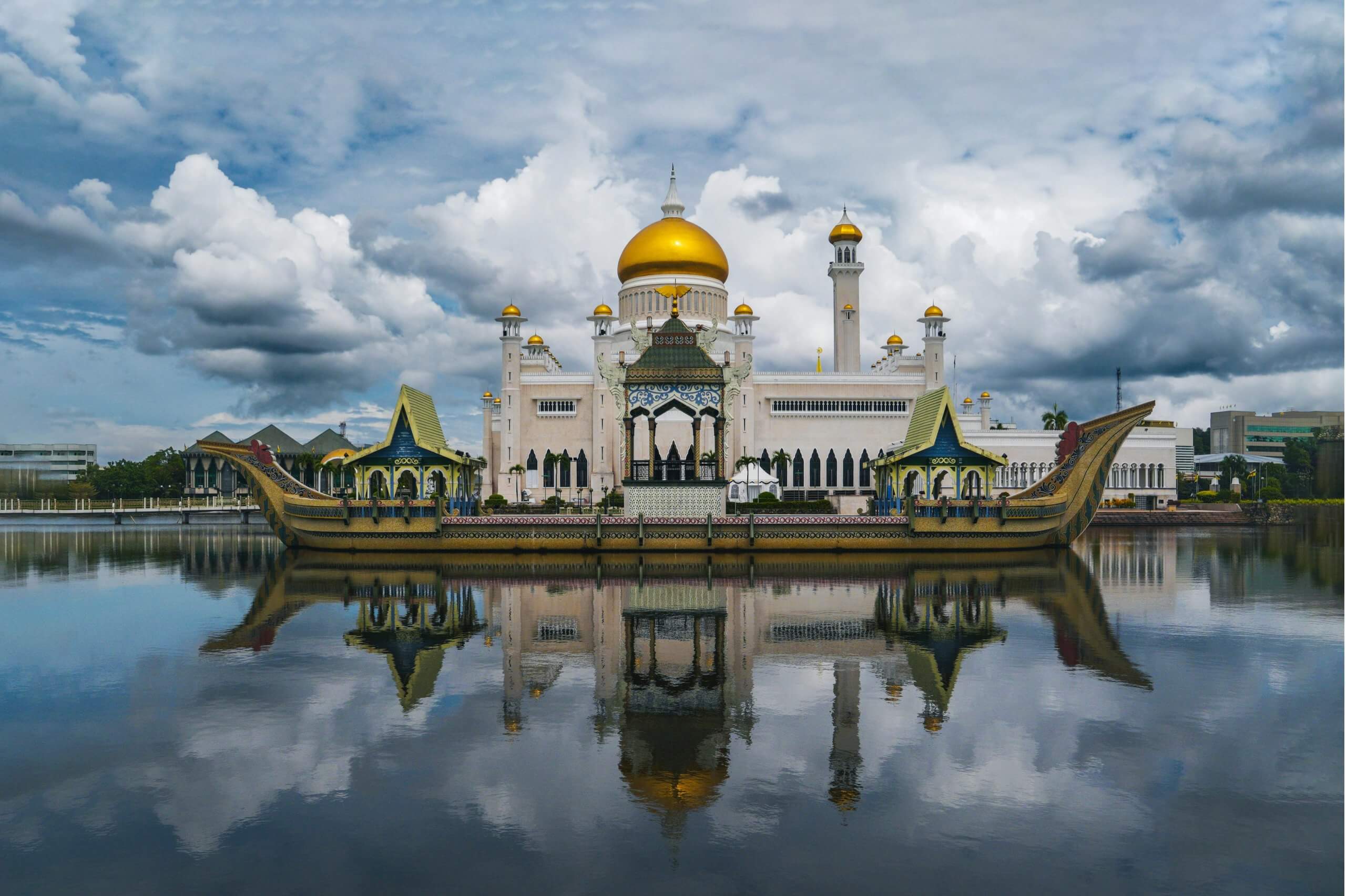
During prayer times or religious occasions, visitors should be patient and observant. Respecting religious practice is one of the clearest ways to show cultural awareness. Mosques are among Brunei’s most important public landmarks, but they are also active places of worship. Visitors should approach them with quiet respect, follow dress rules, remove shoes where required and avoid intrusive behaviour.
A respectful visit can become a meaningful way to understand Brunei’s social and spiritual identity, even without long conversation. The stillness, polished floors, call to prayer and careful movement of worshippers all reveal something about the country’s rhythm. Food is another gentle bridge to local connection. Brunei’s food culture is influenced by Malay, Bornean and wider Southeast Asian traditions.
At markets, food courts and small eateries, visitors may encounter dishes such as ambuyat, nasi katok, satay, noodles, grilled fish, kuih and local drinks. Asking politely about food can lead to easy conversation. Many locals are willing to explain what something is, how it is eaten or where to find a good version. Markets are useful places for everyday interaction.
In Brunei, markets are usually less overwhelming than in some larger regional cities. The atmosphere can be lively but still orderly. A visitor may hear soft conversations, the sound of cooking, families choosing food, vendors arranging produce and the evening movement of people after work. These spaces allow visitors to observe daily life without forcing interaction.
A polite question, a smile or a simple thank you can go a long way. Kampong Ayer, the historic water village, offers one of the most distinctive ways to understand local life. Built over the Brunei River, it represents centuries of settlement, movement and community. Visitors may travel by water taxi, see wooden walkways, homes, schools and mosques, and gain a sense of how river life remains part of national identity.
However, because Kampong Ayer is a living community, visitors should be respectful. Homes are not displays. People’s privacy matters. The best connection comes through guided visits, polite observation and appreciation rather than intrusion.
Family life is central in Brunei. Social gatherings, meals, religious celebrations and community events often revolve around family relationships. Visitors may notice that public spaces are family-friendly and that social behaviour is generally modest. Understanding this helps visitors avoid overly casual or inappropriate behaviour.
Respect for elders, polite speech and careful conduct are important. An important insight shift comes when visitors realise that connecting with locals in Brunei is not about being highly outgoing or forcing deep conversation. It is about reading the atmosphere. Brunei rewards gentleness.
The visitor who moves respectfully, dresses appropriately, speaks politely and shows interest without pressure may experience a quiet form of hospitality that feels deeply genuine. Digital connectivity also supports social connection. Brunei has good mobile and internet access in urban areas, and many locals use social media, messaging apps and online platforms. Younger Bruneians are often globally aware, digitally connected and comfortable with English.
This creates a bridge between traditional social values and modern communication. A conversation with a young local may move easily from food and school to travel, technology, music or international culture. Still, visitors should remain aware of social boundaries. Public criticism of religion, monarchy or national customs is inappropriate.
Sensitive topics should be approached carefully, if at all. Brunei places high value on respect, and visitors should avoid behaviour that appears confrontational, mocking or intrusive. Good connection depends on humility. Festivals and public events can also offer opportunities for respectful engagement.
During Hari Raya, national celebrations or cultural events, visitors may observe clothing, food, family gatherings and public decoration. These occasions reveal the social fabric of the country, though visitors should always follow local expectations and avoid treating private celebrations as tourist performances. For travellers, the best way to connect with Bruneians is through everyday courtesy: greeting people politely, dressing modestly, showing patience, asking thoughtful questions, respecting religious practice and appreciating the country’s slower pace. Brunei’s hospitality is not always loud, but it is present in the details.
Ultimately, connectivity with locals in Brunei Darussalam is built through respect rather than intensity. It happens in quiet markets, water taxis, food stalls, mosque courtyards, family spaces, classrooms, shops and calm public streets. The visitor who listens more than they speak will often understand more. In Brunei, connection is not rushed.
It is earned through attentiveness, cultural awareness and a willingness to meet the country on its own terms. Commonwealth Gateway Closing Perspective Brunei Darussalam offers visitors a calm and respectful form of local connection. Its social life is shaped by Malay culture, Islamic values, family networks, river heritage and modern education. Visitors who approach the country with modesty, patience and courtesy can experience meaningful exchanges through food, markets, community spaces, guided visits and everyday conversation.
In Brunei, connection is quiet but sincere, reflecting a society that values dignity, harmony and respect.
For more information, take a look at these local third-party websites: