
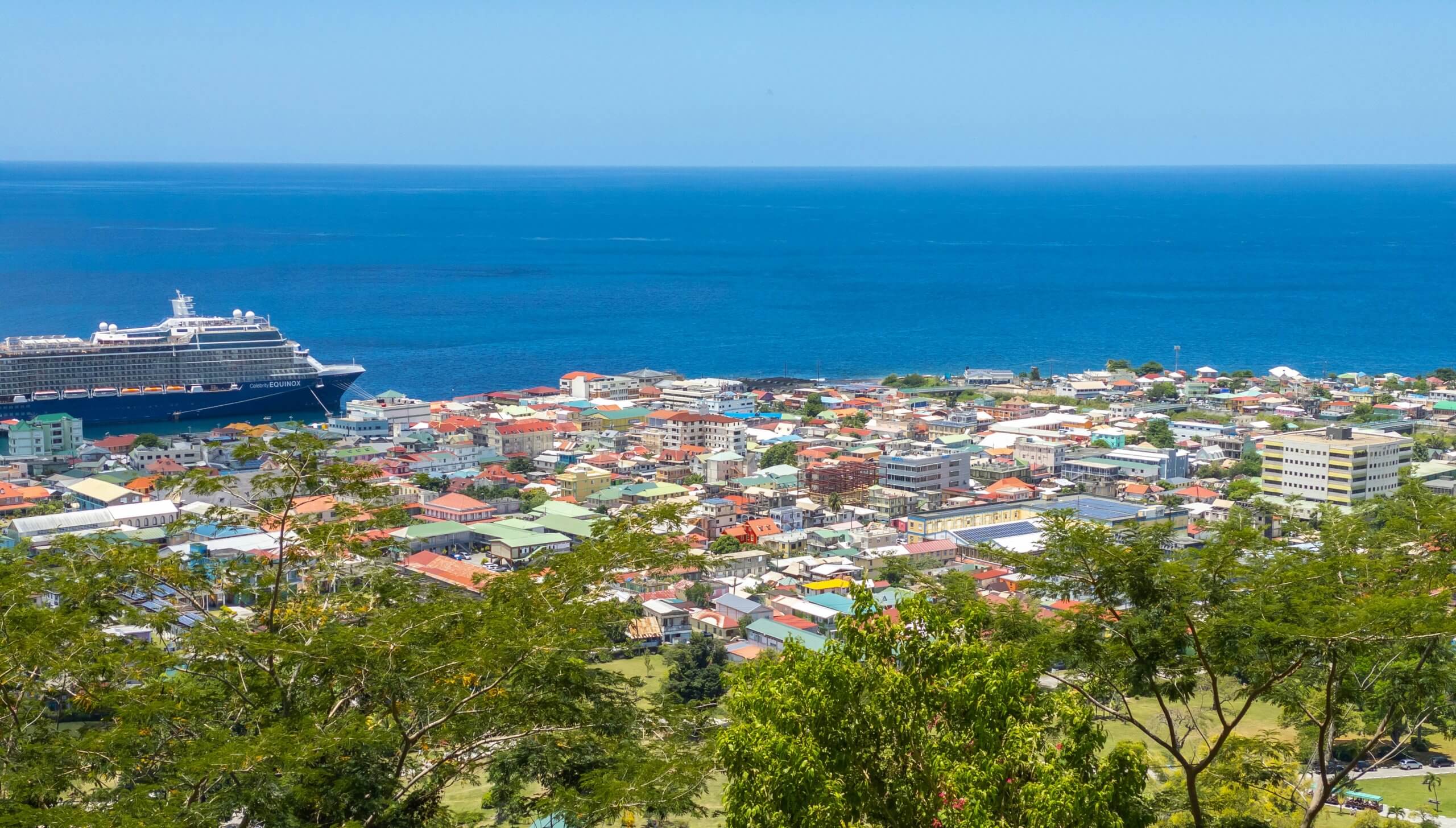
Brunei is known for its strict laws and conservative values, and visitors should be well-informed about the country’s legal regulations and social norms to ensure a smooth and respectful experience. As an Islamic monarchy, Brunei enforces Syariah law, which influences many aspects of daily life, including public behavior, dress codes, and legal penalties. Understanding and adhering to these rules is essential for anyone visiting the country.
One of the first things to consider when traveling to Brunei is visa requirements. Many travelers can enter the country visa-free, including citizens of ASEAN nations, the United States, the United Kingdom, European Union countries, and Commonwealth nations. Depending on nationality, the permitted stay ranges from 14 to 90 days. However, visitors from countries not eligible for visa-free entry must apply for a visa in advance through Brunei’s diplomatic missions. It is always advisable to check entry requirements before traveling to avoid any complications at immigration.
Brunei has some of the strictest drug laws in the world, with severe penalties for both possession and trafficking. Drug trafficking carries the death penalty, and even small amounts of illegal substances can lead to long prison sentences and hefty fines. Travelers should be extremely cautious and ensure they do not carry any prohibited substances, even by mistake. As a dry country, Brunei enforces a ban on alcohol, meaning that it cannot be sold or publicly consumed. However, non-Muslim visitors are allowed to import limited amounts of alcohol for personal consumption, but it must be declared upon arrival and consumed in private. It is important to note that public intoxication is illegal and can lead to arrest or deportation.
Brunei’s social norms discourage public displays of affection (PDA), which includes kissing, hugging, or holding hands in public. Engaging in such behavior can result in fines or other legal consequences, as it is considered inappropriate under Brunei’s conservative laws. While this may be different from what travelers are accustomed to in other countries, respecting local customs is crucial. Regarding dress codes, while there is no official dress requirement for tourists, it is highly recommended to dress modestly out of respect for the local culture. Both men and women should cover their shoulders and knees, especially when visiting religious sites such as mosques. Women may also be required to wear a headscarf when entering a mosque.
Photography is another area where visitors should exercise caution. While general tourist photography is allowed, taking pictures of government buildings, military sites, or mosques without permission is strictly prohibited. It is always polite to ask for consent before taking photos of locals or religious ceremonies.
By following these important regulations and cultural expectations, visitors can enjoy a safe and respectful stay in Brunei. The country’s rich heritage, beautiful landscapes, and warm hospitality make it an intriguing destination, and understanding its laws and customs ensures a hassle-free and enriching experience.